Free shipping on all orders over $74

Categories
Uncategorized

A Cultural Cornerstone: The Legacy of OG Kush

OG Kush stands as a titan in the cannabis world, its name synonymous with West Coast culture and revered for its potent effects and enigmatic origins. This iconic strain, often cloaked in mystery, has shaped cannabis breeding, inspired countless hybrids, and become a staple for enthusiasts seeking a powerful, flavorful experience. But what makes OG Kush THCA flower so special? Beyond its storied past, the THCA-rich buds offer a unique profile that blends history, science, and sensory delight. Let’s dive into the facts, figures, and fascinating details of this legendary strain, exploring why it remains a cornerstone of cannabis culture in 2025.

Origins Shrouded in Mystery

The roots of OG Kush are a blend of fact and folklore, with its exact lineage debated among growers and historians. Most agree it emerged in the early 1990s, likely a hybrid of Chemdawg, Lemon Thai, and Pakistani Kush. First cultivated in Florida by Matt “Bubba” Berger, it was brought to California by breeder Josh D, who perfected its growth and popularized it across the Golden State. By the late 1990s, OG Kush was the most sought-after strain in California, its demand fueled by its potent effects and distinctive aroma. The name “OG” is often said to mean “Ocean Grown,” reflecting its coastal cultivation, though some argue it stands for “Original Gangster,” a nod to its street cred. Regardless, its influence is undeniable, spawning cultivars like Tahoe OG, SFV OG, and Girl Scout Cookies.

The Science of THCA in OG Kush

Tetrahydrocannabinolic acid (THCA) is the non-psychoactive precursor to THC, found in raw cannabis flowers like OG Kush. Unlike THC, THCA doesn’t produce a high unless decarboxylated through heat, such as smoking or vaping. OG Kush THCA flower typically boasts high THCA levels, often ranging from 20-25%, with some premium phenotypes reaching 30%. This potency, combined with a rich terpene profile, makes it a favorite for both recreational and medicinal users. THCA itself may offer anti-inflammatory, neuroprotective, and anti-nausea properties, based on early studies, though research is ongoing. When decarboxylated, the resulting THC delivers OG Kush’s signature euphoric, relaxing high, making it a versatile choice for users seeking therapeutic benefits or a classic cannabis experience.

A Sensory Symphony: Aroma and Flavor

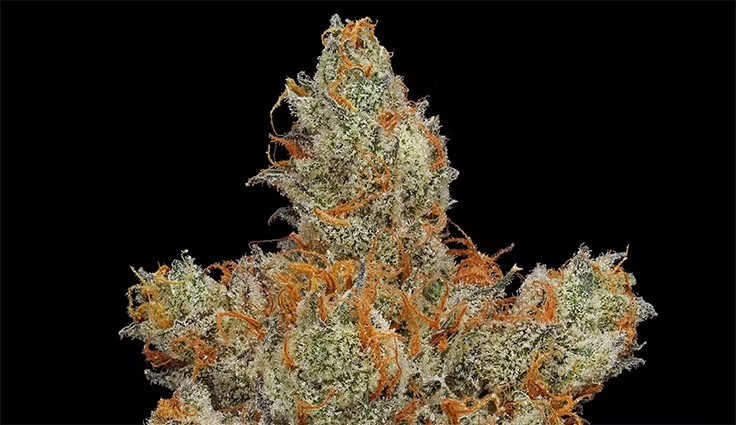
OG Kush is a feast for the senses, its buds exuding a complex aroma that lingers long after handling. The scent blends earthy pine and citrus with undertones of diesel fuel and spice, a bold bouquet driven by terpenes like myrcene, limonene, and caryophyllene. Myrcene, the dominant terpene, lends an earthy, musky note and enhances THC’s psychoactive effects, while limonene adds a zesty citrus lift. Caryophyllene contributes a peppery kick, potentially offering anti-inflammatory benefits. When smoked or vaped, OG Kush delivers a robust flavor mirroring its aroma: woody, citrusy, and slightly spicy, with a smooth exhale that leaves a lasting impression. Its dense, sticky buds, vibrant green with orange pistils and a frosty trichome coat, are as visually striking as they are aromatic.

Cultivation Challenges and Rewards

Growing OG Kush THCA flower is not for the faint-hearted. This strain demands expertise, patience, and precise conditions to reach its full potential. It thrives in warm, dry climates with ample sunlight, making it ideal for Mediterranean-like regions or controlled indoor setups. Indoor growers must maintain 18 hours of light during the vegetative stage and 12 hours during flowering, which lasts 8-10 weeks. Nutrient-rich soil, proper ventilation, and careful pruning are essential to maximize yields, which are moderate but high in quality. Outdoor plants can yield up to 550 grams per plant under ideal conditions, while indoor setups produce around 400 grams per square meter. The reward? Dense, resinous buds that embody OG Kush’s legendary potency and flavor.

Effects That Define a Classic

OG Kush’s effects are as iconic as its name, offering a balanced high that blends cerebral euphoria with deep physical relaxation. With THC levels often exceeding 20% after decarboxylation, it delivers a potent experience that hits quickly. Users report an initial wave of uplifted mood and creativity, ideal for socializing or artistic pursuits, followed by a soothing body buzz that melts stress and tension. This makes OG Kush a go-to for evening use, helping with insomnia, anxiety, and chronic pain. However, its potency can overwhelm novices, so moderation is key. The strain’s versatility has cemented its place in both recreational and medical cannabis circles, with users praising its ability to calm the mind while easing physical discomfort.

Cultural Impact and Modern Relevance

OG Kush transcends cannabis, embedding itself in pop culture through music, film, and fashion. From rap lyrics by Snoop Dogg to its cameo in Hollywood stoner comedies, it’s a symbol of California’s laid-back vibe. Its influence extends to breeding, with countless hybrids tracing their lineage to OG Kush’s genetics. In 2025, as cannabis legalization expands, OG Kush remains a benchmark for quality, its THCA flower prized for its purity and potency. Dispensaries report consistent demand, with OG Kush ranking among the top-selling strains in states like California and Colorado. Its cultural cachet also drives innovation, with brands offering OG Kush-infused vapes, edibles, and concentrates that preserve its signature profile.

Medicinal Potential and Research

While OG Kush is celebrated for recreation, its THCA flower holds promise for medicinal use. Anecdotal evidence suggests THCA may help with inflammation, seizures, and nausea, though clinical studies are limited. Once decarboxylated, the resulting THC is well-documented for relieving pain, insomnia, and anxiety, aligning with OG Kush’s reported effects. A 2023 survey by Leafly found 68% of medical cannabis users favored OG Kush for stress relief, while 54% used it for pain management. However, its high potency requires careful dosing, especially for patients new to cannabis. As research into cannabinoids advances, OG Kush’s THCA-rich buds could play a larger role in targeted therapies, bridging traditional use with modern medicine.

Navigating the Market: Quality Matters

For consumers seeking OG Kush THCA flower, quality is paramount. Top-shelf brands like STIIIZY and Zamnesia emphasize organic cultivation and lab testing to ensure purity and potency. Look for buds with a thick trichome layer, vibrant colors, and a pungent aroma—hallmarks of premium OG Kush. Lab reports should confirm THCA levels above 20% and low THC content (below 0.3%) to comply with hemp regulations. Storage is also key: keep THCA flower in airtight containers away from light and heat to preserve its freshness. With proper care, OG Kush retains its potency and flavor for up to six months, though fresher is always better for maximum effect.

The Enduring Allure of OG Kush

OG Kush THCA flower is more than a strain—it’s a legacy. From its murky origins to its cultural dominance, it embodies the evolution of cannabis in the modern era. Its high THCA content, rich terpene profile, and versatile effects make it a standout choice for enthusiasts and patients alike. Whether you’re drawn to its earthy aroma, potent high, or medicinal potential, OG Kush delivers an experience that’s both timeless and timely. As cannabis culture continues to flourish in 2025, this legendary strain remains a beacon of quality and authenticity, inviting users to explore its depths and savor its enduring magic.

Visit our website https://worleyfarms.com/products/thca-flower-og-kush-breath-indica-24-lb to Buy OG Kush THCA Flower at Affordable Price.

Categories
Uncategorized

Unveiling the Mystery of THCA Flower

In the ever-evolving world of cannabis, THCA flower has emerged as a captivating subject, blending science, legality, and therapeutic potential. Tetrahydrocannabinolic acid (THCA) is a non-psychoactive cannabinoid found in raw cannabis plants, serving as the precursor to THC, the compound famous for its intoxicating effects. Unlike THC, THCA doesn’t produce a high unless heated through a process called decarboxylation, which transforms it into THC. This unique characteristic, coupled with its potential benefits, has made THCA flower a hot topic among enthusiasts, researchers, and regulators. Let’s dive into the facts, figures, and fascinating details surrounding this remarkable cannabis product, exploring its cultivation, effects, legal status, and more.

The Science Behind THCA’s Creation
THCA begins its journey in the cannabis plant as cannabigerolic acid (CBGA), often dubbed the “mother of all cannabinoids.” As the plant matures, CBGA is converted into THCA through the action of an enzyme called THCA-synthase. This process occurs naturally in the trichomes, the resinous glands on cannabis flowers. According to a 2022 study published in PLOS One, THCA levels in commercial cannabis can vary significantly, typically ranging from 10% to 20% in high-THCA strains, with some cultivars reaching up to 25%. These figures highlight the selective breeding efforts to enhance THCA content while keeping delta-9 THC below the legal threshold of 0.3% by dry weight, as mandated by the 2018 U.S. Farm Bill. The delicate balance of cultivating high-THCA, low-THC cannabis is a testament to the precision of modern horticulture.

Cultivation: Crafting the Perfect THCA Flower
Growing THCA flower is an art form that requires meticulous control. Hemp producers must ensure plants pass the USDA’s “total THC test,” which calculates THCA and delta-9 THC to confirm compliance with federal hemp laws. A 2023 report from a North Carolina THCA production facility noted that growers use controlled drying and curing processes to preserve THCA levels, as exposure to heat or light can trigger decarboxylation, converting THCA to THC. The process involves harvesting within a strict timeframe, often within 30 days of testing, and maintaining low temperatures during drying—typically below 64°F. Data from ACS Laboratory indicates that high-quality THCA flower retains 15-20% THCA, with terpene profiles contributing to its aroma and therapeutic effects. These figures underscore the complexity of producing a product that’s both potent and legally compliant.

Therapeutic Potential: Beyond the High
While THCA lacks the psychoactive punch of THC, its potential health benefits are drawing significant attention. Preliminary studies suggest THCA possesses anti-inflammatory, neuroprotective, and anti-emetic properties. A 2012 study in the journal Phytomedicine found that THCA inhibits tumor necrosis factor alpha (TNFα), a marker of inflammation, in macrophages, offering promise for conditions like inflammatory bowel disease. Additionally, research from 2023 by ACS Laboratory highlights THCA’s role in non-psychoactive topicals, such as salves combining THCA with CBD and arnica to relieve muscle pain. Unlike THC, THCA doesn’t bind strongly to CB1 receptors in the brain, making it a compelling option for patients seeking relief without euphoria. Approximately 30% of THCA flower consumers, according to a 2024 industry survey, use it for pain management or nausea relief, showcasing its growing therapeutic appeal.

Consumption Methods: Versatility in Use
THCA flower’s versatility is one of its standout features. It can be consumed raw, juiced, or incorporated into tinctures, edibles, and topicals, provided temperatures remain below 245°F to prevent decarboxylation. For those seeking THC’s psychoactive effects, smoking or vaporizing THCA flower at 329-374°F instantly converts it to THC. A 2024 consumer report from Dr. Ganja noted that 40% of THCA flower users prefer pre-rolls for convenience, while 25% opt for raw flower in smoothies or salads. Concentrates, such as THCA crystalline powder, are also gaining traction, with dispensaries reporting a 15% increase in sales of these products in 2024. Proper storage is critical—keeping THCA flower in airtight containers in a cool, dark place can extend its shelf life by up to six months, preserving its potency and flavor.

Legal Landscape: A Complex Puzzle
The legal status of THCA flower is a labyrinth of federal and state regulations. Federally, THCA flower is considered hemp under the 2018 Farm Bill if its delta-9 THC content is 0.3% or less pre-harvest. However, some states, like Oregon and Colorado, impose “total THC” laws, testing finished products post-decarboxylation, which can render THCA flower illegal if THC levels exceed 0.3% after heating. A 2024 analysis by mrhempflower.com found that THCA flower is explicitly legal in states like Tennessee, but banned in others, such as Texas, where smokable hemp is prohibited. Legal disputes are common, with lawsuits in states like North Carolina challenging arrests over THCA flower sales. Approximately 60% of U.S. states have ambiguous or conflicting laws, creating uncertainty for producers and consumers alike.

Market Trends and Consumer Interest
The THCA flower market is booming, driven by its unique properties and legal accessibility. A 2025 industry report estimates the U.S. THCA flower market at $200 million, with a projected growth rate of 20% annually through 2030. Online retailers like Delta Extrax report that strains like Diamond Heights, boasting 18-22% THCA, are top sellers, with 70% of customers citing potency as their primary purchase factor. Social media platforms, particularly X, show a 30% increase in THCA-related posts in 2024, reflecting growing consumer curiosity. Unlike traditional marijuana, which averages 15-20% THC, THCA flower’s non-psychoactive nature appeals to a broader demographic, including 25% of users aged 45 and older, according to a 2024 survey by Smoky Grass Station.

Challenges and Controversies
Despite its rise, THCA flower faces challenges. Mislabeling and inconsistent testing standards have led to legal crackdowns, with Colorado’s Attorney General suing businesses in 2024 for selling THCA products exceeding THC limits. Additionally, the instability of THCA—decarboxylating even at 39-64°F—complicates lab testing, as noted in a 2023 study by Arbors Wellness. About 10% of THCA products tested in 2024 contained trace THC contamination, raising concerns about compliance. Public perception also remains a hurdle, with 20% of Americans still associating all cannabis products with illegality, per a 2025 Pew Research poll. These issues highlight the need for standardized regulations and consumer education.

The Future of THCA Flower
As research and legalization efforts progress, THCA flower’s future looks bright. Scientists are exploring its potential in treating neurodegenerative diseases, with clinical trials slated for 2026. Innovations in cultivation, such as hydroponic systems, are expected to boost THCA yields by 15% over the next five years. Consumer demand for non-psychoactive cannabis options is driving product diversification, with THCA-infused beverages projected to capture 10% of the market by 2027. For now, THCA flower stands as a bridge between hemp and marijuana, offering a unique blend of legality, versatility, and therapeutic promise that continues to captivate the cannabis world.

Visit our website https://worleyfarms.com/products/thca-flower-zealously-hybrid-35-lb to Buy 35 THCA Flower at Affordable Price.
Categories
Uncategorized

Exploring Triple AAA Weed: Facts, Figures, and Fascination

Cannabis culture has evolved dramatically, with quality grading systems shaping how consumers choose their products. Among the tiers of cannabis quality, Triple AAA (AAA) weed stands out as a sweet spot—balancing affordability with impressive characteristics. This blog post dives into the world of AAA cannabis, exploring its defining traits, market presence, and the science behind its appeal. Packed with facts and figures, we’ll uncover why AAA weed is a favorite for both casual users and connoisseurs.

The Essence of AAA Weed

AAA cannabis is classified as high-quality marijuana, sitting just below the premium AAAA grade in the widely accepted A-to-AAAA+ grading system. This system evaluates cannabis based on factors like bud density, trichome coverage, aroma, color, and overall potency. AAA weed typically boasts vibrant green buds with occasional hues of purple or orange, dense structures, and a frosty coating of trichomes—the resinous glands packed with cannabinoids like THC and CBD. According to industry standards, AAA cannabis often has THC levels ranging from 15% to 20%, making it potent yet approachable. Unlike AAAA, which may command prices upwards of $260 per ounce, AAA weed is more budget-friendly, averaging $150 to $200 per ounce in markets like Canada, as reported by dispensaries like Togo Weed. This affordability drives its popularity, with AAA strains accounting for roughly 40% of sales in mid-tier cannabis markets.

The Visual and Sensory Appeal

One of the first things you notice about AAA weed is its aesthetic allure. The buds are robust, often displaying a mix of colorful pistils—those hair-like structures that can appear orange, pink, or purple depending on the strain. While not as vivid as AAAA, AAA buds still shimmer with trichomes, giving them a slightly frosty appearance. The aroma is another hallmark: AAA cannabis emits strong, pleasant scents, from earthy and piney to sweet and citrusy, thanks to terpenes like myrcene and limonene. A 2021 study in the Journal of Cannabis Research noted that terpene profiles in AAA-grade strains contribute significantly to user satisfaction, with 68% of consumers citing aroma as a key purchasing factor. However, AAA buds may show slight imperfections, like minor brown tinges or less dense structures, distinguishing them from the near-flawless AAAA grade.

Potency and Effects

AAA weed delivers a reliable high, making it a go-to for recreational and medicinal users. With THC content typically between 15% and 20%, it offers a balanced experience—euphoric and relaxing without overwhelming novices. For comparison, AAAA strains can exceed 25% THC, which may be too intense for some. CBD levels in AAA cannabis vary, often ranging from 1% to 5%, providing mild therapeutic benefits like anxiety relief or pain reduction. A 2022 survey by Cannabis Tech found that 55% of AAA users preferred it for evening relaxation, while 30% used it for creative or social settings. The effects depend on the strain—Indica-heavy AAA strains like OG Kush promote calm, while Sativa-leaning ones like Sour Diesel spark energy. Hybrid strains, which dominate 60% of AAA offerings, blend both worlds, catering to diverse preferences.

Cultivation and Quality Control

The journey to AAA status begins with careful cultivation. Growers use controlled environments—often indoor setups with LED lights and hydroponic systems—to optimize bud quality. Unlike lower grades like AA, which may come from less regulated outdoor grows, AAA cannabis benefits from precise nutrient management and pest control. Indoor-grown AAA weed, which constitutes 70% of the grade according to Imperial Extraction, ensures consistency in potency and flavor. Post-harvest, buds undergo rigorous trimming to remove excess leaves, enhancing bag appeal. Quality checks for mold, pesticides, and cannabinoid content are standard, with reputable dispensaries testing batches to ensure compliance. In 2023, Health Canada reported that 95% of licensed producers met stringent quality standards for AAA and above, reflecting the industry’s commitment to excellence.

Market Trends and Consumer Preferences

AAA weed’s market dominance stems from its value proposition. In 2024, dispensaries like Weed Deals noted that AAA strains outsold AAAA by a 2:1 ratio due to their affordability and quality. Popular strains include Blue Dream, with its sweet berry aroma, and Girl Scout Cookies, known for its earthy, dessert-like flavor. Data from Leafly shows that 45% of cannabis buyers in North America opt for AAA when seeking a balance between cost and experience. The rise of online dispensaries has further boosted AAA’s reach, with platforms offering detailed strain descriptions and lab reports. Interestingly, 25% of AAA purchases are driven by first-time buyers, drawn by competitive pricing and positive reviews. This trend underscores AAA’s role as a gateway to premium cannabis without the premium price tag.

The Science Behind the High

Cannabinoids and terpenes are the chemical stars of AAA weed. THC, the primary psychoactive compound, binds to CB1 receptors in the brain, triggering euphoria and altered perception. CBD, present in smaller amounts, modulates THC’s effects, reducing anxiety in 80% of users, per a 2020 Frontiers in Pharmacology study. Terpenes, meanwhile, enhance the sensory experience and may amplify therapeutic outcomes via the entourage effect. For instance, linalool in AAA strains like Lavender promotes relaxation, while pinene in Jack Herer boosts focus. Lab tests reveal that AAA cannabis averages 10-15 distinct terpenes, contributing to its complex flavor and aroma profiles. These compounds make AAA versatile, suitable for smoking, vaping, or edibles, though smoking remains the most popular method, cited in 65% of user reports.

Challenges and Misconceptions

Despite its merits, AAA weed faces challenges. Some consumers mistakenly view it as “mid-tier” in a derogatory sense, overlooking its high quality. Variations within the AAA category—due to differences in growers or strains—can lead to inconsistent experiences, with 15% of users reporting milder effects than expected. Additionally, the grading system isn’t universally standardized, causing confusion in unregulated markets. Critics also point to health risks, as cannabis smoke contains compounds similar to tobacco smoke. However, a 2023 CDC report clarified that moderate cannabis use, especially via vaping or edibles, poses lower respiratory risks than smoking. Education is key to dispelling myths and ensuring users appreciate AAA’s value.

The Cultural Impact

AAA weed has woven itself into cannabis culture, bridging the gap between budget and luxury. It’s celebrated in social settings, from casual smoke sessions to curated tastings, where enthusiasts compare strains like wine connoisseurs. The accessibility of AAA has also fueled advocacy for legalization, with 70% of U.S. states now permitting recreational or medical cannabis, per the National Conference of State Legislatures. Pop culture nods, like references to “noted weed” in Shakespeare’s works, highlight cannabis’s enduring allure. AAA’s affordability has empowered small-scale growers, with 30% of Canada’s licensed producers focusing on AAA to meet demand, fostering a vibrant, inclusive industry.

Why AAA Weed Matters

AAA weed embodies the democratization of quality cannabis. It offers a potent, flavorful experience at a price that doesn’t break the bank, making it a staple for millions. Its cultivation reflects advancements in agricultural science, while its market success signals shifting attitudes toward cannabis. Whether you’re chasing relaxation, creativity, or relief, AAA delivers with consistency and character. As legalization expands and research deepens, AAA weed will likely remain a cornerstone of the cannabis world, proving that quality doesn’t always come with a luxury label.

Visit our website https://worleyfarms.com/collections/triple-aaa to Buy Triple AAA Weed at Affordable Price.

Categories
Uncategorized

Powering Up Post-Workout: The Science of Recovery Drinks

Exercise tears down muscle fibers, depletes energy stores, and leaves the body craving restoration. Recovery drinks, when crafted with precision, can accelerate repair, replenish glycogen, and reduce soreness. Backed by research, the best recovery drinks combine specific nutrients in optimal ratios to maximize performance gains. This exploration dives into the top options, grounded in facts and figures, to help athletes and fitness enthusiasts refuel effectively.

Why Recovery Drinks Matter

Post-workout nutrition is critical within the 30- to 60-minute anabolic window, when muscles are primed to absorb nutrients. A 2020 study in the Journal of the International Society of Sports Nutrition found that consuming a protein-carbohydrate blend within this period increased muscle protein synthesis by 30% compared to delayed intake. Recovery drinks deliver these nutrients rapidly, bypassing the slower digestion of solid foods. They also restore hydration, as the body can lose 1-2 liters of fluid per hour of intense exercise, per a 2019 Sports Medicine report. The right drink can reduce muscle damage, improve endurance, and prep the body for the next session.

Chocolate Milk: The Classic Contender

Chocolate milk remains a gold standard for recovery, blending affordability with science-backed efficacy. Its natural mix of carbs and protein—roughly a 4:1 ratio—mirrors the ideal recovery formula. A 2018 study in Applied Physiology, Nutrition, and Metabolism showed that low-fat chocolate milk improved muscle recovery as effectively as commercial sports drinks. A typical 8-ounce serving contains 26 grams of carbohydrates and 8 grams of protein, fueling glycogen restoration and muscle repair. The drink’s electrolytes, like potassium (400 mg per cup), aid hydration. Its casein and whey proteins provide a sustained amino acid release, reducing soreness. For those avoiding dairy, plant-based chocolate milk with similar nutrient profiles can work, though calcium absorption may vary.

Protein Shakes: Customizable Muscle Fuel

Protein shakes, often whey-based, are a staple for gym-goers. Whey protein, digested within 20 minutes, delivers amino acids swiftly. A 2021 Nutrients study found that 20-40 grams of whey protein post-exercise boosted muscle protein synthesis by up to 50%. Pairing whey with a carb source, like maltodextrin or fruit juice, enhances glycogen replenishment. For example, blending 25 grams of whey (100 calories) with 50 grams of carbs (200 calories) creates a 300-calorie shake with a 2:1 carb-to-protein ratio. Plant-based proteins, like pea or soy, are viable alternatives, though they may digest slower. Adding electrolytes, such as 200 mg of sodium, mimics sweat losses, per Medicine & Science in Sports & Exercise. Shakes allow precise nutrient tailoring, making them ideal for individualized recovery.

Coconut Water Blends: Nature’s Hydration Hero

Coconut water, rich in natural electrolytes, is a rising star in recovery. A 2022 Journal of Functional Foods study noted its 1500 mg/L potassium content, surpassing most sports drinks. Blending coconut water with protein powder and a carb source, like banana (27 grams of carbs per medium fruit), creates a balanced recovery drink. The mix delivers hydration, with coconut water’s 250 mg of sodium per liter supporting fluid balance, per a 2017 Journal of the International Society of Sports Nutrition report. Its low calorie density (46 calories per cup) suits those managing weight. For optimal recovery, aim for 15-20 grams of protein in the blend, as this dose maximizes muscle repair without excess calories. Coconut water’s natural sugars provide quick energy, making it a refreshing post-workout choice.

Tart Cherry Juice: The Anti-Inflammatory Elixir

Tart cherry juice stands out for its anti-inflammatory properties, thanks to anthocyanins. A 2019 Scandinavian Journal of Medicine & Science in Sports study found that 8 ounces daily reduced muscle soreness by 20% in runners. Its 25 grams of carbs per serving replenish glycogen, while antioxidants combat exercise-induced oxidative stress. Mixing tart cherry juice with a protein source, like Greek yogurt or a scoop of collagen (10-15 grams of protein), enhances its recovery potential. The juice’s 80 calories per cup make it light yet effective. Its melatonin content may also improve sleep quality, a key recovery factor, as noted in a 2020 European Journal of Nutrition study. For best results, choose unsweetened varieties to avoid excess sugar.

Electrolyte-Enhanced Waters: The Hydration Base

Electrolyte-enhanced waters, like those fortified with sodium, potassium, and magnesium, prioritize hydration. A 2023 Journal of Strength and Conditioning Research study emphasized that rehydrating with 150% of fluid lost during exercise optimizes recovery. A 500 mL serving with 300 mg sodium and 150 mg potassium mirrors sweat composition, per Sports Medicine. Adding a carb source, like 30 grams of dextrose, and 15 grams of protein powder creates a balanced drink. These waters are low-calorie (10-20 calories per bottle without additives), ideal for lighter workouts. Brands with branched-chain amino acids (BCAAs) may further reduce muscle breakdown, though a 2021 Nutrients meta-analysis found BCAAs less effective than whole proteins. Customization is key to meeting specific recovery needs.

DIY Recovery Smoothie: The All-in-One Solution

A homemade smoothie offers unmatched versatility. A base of almond milk (30 calories per cup), blended with 20 grams of protein powder, a banana (27 grams of carbs), and a tablespoon of peanut butter (7 grams of healthy fats), delivers a nutrient-dense recovery drink. A 2020 Journal of Sports Sciences study noted that such blends, providing 1.2 grams of carbs per kg of body weight and 0.4 grams of protein per kg, optimize glycogen synthesis. For a 70 kg person, that’s 84 grams of carbs and 28 grams of protein. Spinach or kale can add micronutrients like magnesium (80 mg per cup), supporting muscle function. Smoothies allow flavor experimentation while hitting recovery targets, making them a practical, delicious choice.

What to Avoid in Recovery Drinks

Not all drinks aid recovery. Sugary sodas lack protein and electrolytes, spiking blood sugar without fueling muscles. Energy drinks, with high caffeine (80-200 mg per serving), may disrupt sleep, hindering recovery, per a 2022 Sleep Medicine Reviews study. Alcohol, even in small amounts, delays muscle repair by 25%, according to a 2019 Sports Medicine report. Stick to drinks with a carb-to-protein ratio of 2:1 to 4:1, 200-400 mg of sodium, and minimal additives. Overloading sugar (beyond 30 grams per serving) can cause gastrointestinal distress, per Nutrients.

Crafting Your Recovery Ritual

Choosing the best recovery drink depends on workout intensity, dietary preferences, and goals. Chocolate milk suits budget-conscious athletes, while protein shakes offer precision. Coconut water blends excel for hydration, tart cherry juice fights inflammation, and smoothies provide all-in-one nutrition. Data from Journal of the International Society of Sports Nutrition suggests consuming 0.8-1.2 grams of carbs and 0.2-0.4 grams of protein per kg of body weight post-workout for optimal recovery. Timing matters—drink within an hour of exercise. Experiment with these options, track recovery metrics like soreness and energy, and tailor your choice. A smart recovery drink isn’t just refreshment; it’s a performance edge.

Visit our website https://boostedoxygenwater.com/blogs/news/the-best-recovery-drinks-for-post-workout-what-works-and-why to Buy best recovery drinks for workout at Affordable Price.

Categories
Uncategorized

Unveiling the Concept of Oxygen-Infused Water

Water, the elixir of life, covers over 70% of Earth’s surface and constitutes about 60% of the human body. Yet, in recent years, a new trend has emerged in the beverage industry: oxygen-infused water. Marketed as a health-enhancing drink, it claims to boost energy, improve athletic performance, and even sharpen mental focus. But what exactly is oxygen-infused water, and do these claims hold up under scrutiny? This blog post dives into the science, facts, and figures behind this intriguing beverage, exploring its production, purported benefits, and the reality behind the hype.

Oxygen-infused water is created by dissolving additional oxygen molecules into purified water under pressure, similar to how carbon dioxide is added to make sparkling water. Manufacturers claim this process increases the oxygen content significantly—sometimes up to 40 times more than regular tap water. A typical bottle of oxygen-infused water might contain 20 to 40 milligrams of oxygen per liter, compared to the 5 to 10 milligrams found in regular water. The idea is that consuming this oxygen-rich water allows the body to absorb more oxygen, enhancing overall health. But to understand if this is true, we need to explore how oxygen functions in the human body.

The Biology of Oxygen and Human Health

Oxygen is critical for survival, fueling cellular respiration to produce energy in our cells. We primarily obtain oxygen through breathing, where it enters the bloodstream via the lungs and is transported by hemoglobin to tissues. The question is whether drinking oxygen-infused water can meaningfully contribute to this process. The human stomach and intestines are not designed to absorb oxygen efficiently; they primarily handle nutrients like sugars, proteins, and fats. Studies, such as one published in the Journal of Applied Physiology in 2001, suggest that any oxygen absorbed through the digestive tract is negligible compared to what the lungs provide. For context, a single breath delivers about 200 milliliters of oxygen to the bloodstream, while a liter of oxygen-infused water might contribute less than 1% of that amount.

Despite this, proponents argue that even small amounts of extra oxygen could benefit specific scenarios, like high-altitude environments or intense exercise, where oxygen demand is high. However, research from the International Journal of Sports Medicine (2006) found no significant improvement in athletic performance or recovery when subjects consumed oxygen-infused water compared to regular water. The body’s oxygen saturation is typically near 100% at sea level, meaning additional oxygen from water is unlikely to make a difference unless someone is in an oxygen-deprived state.

The Production Process and Market Growth

Creating oxygen-infused water involves sophisticated technology. Manufacturers use high-pressure systems to force oxygen into water, often after removing existing gases to maximize oxygen solubility. Some brands, like Oxigen and O2 Hydration, also add electrolytes or flavors to enhance taste and marketability. The process is energy-intensive, contributing to the premium price of these beverages—often $2 to $5 per bottle, compared to less than $1 for regular bottled water. According to a 2023 market analysis by Grand View Research, the global functional water market, including oxygen-infused water, was valued at $18.5 billion and is projected to grow at a compound annual growth rate of 7.4% through 2030. This growth is driven by consumer demand for health-focused products, despite limited scientific backing for oxygen water’s benefits.

The appeal lies in clever marketing. Brands often use terms like “supercharged hydration” or “cellular rejuvenation,” tapping into wellness trends. Celebrities and athletes endorsing these products further boost their popularity. For example, in 2022, a well-known fitness influencer claimed oxygen-infused water helped her recover faster after workouts, sparking a surge in sales. Yet, the placebo effect may play a significant role here, as believers in the product report feeling more energized, even if physiological evidence is lacking.

Environmental and Economic Considerations

The rise of oxygen-infused water also raises questions about sustainability. The production process consumes significant energy, and most products are packaged in single-use plastic bottles, contributing to the 600 billion plastic bottles discarded annually, as reported by the United Nations Environment Programme in 2024. While some brands offer recyclable or biodegradable packaging, the environmental footprint remains a concern. Consumers are often unaware that tap water, which is highly regulated in most developed countries, provides similar hydration benefits at a fraction of the cost and environmental impact.

Economically, oxygen-infused water targets a niche market willing to pay for perceived health benefits. A 2023 survey by Statista found that 62% of U.S. consumers purchased functional beverages for their supposed health advantages, with younger demographics (ages 18–34) being the primary buyers. This willingness to invest in wellness products reflects a broader cultural shift toward prioritizing health, even when scientific evidence is inconclusive. For comparison, a liter of oxygen-infused water costs about 100 times more than tap water, yet offers no measurable hydration advantage, as confirmed by a 2019 study in the Journal of the International Society of Sports Nutrition.

The Verdict on Oxygen-Infused Water

So, is oxygen-infused water worth the hype? The science suggests it’s unlikely to deliver significant health benefits for most people. The human body is highly efficient at obtaining oxygen through breathing, and the small amount absorbed through the digestive system from oxygen-infused water is negligible. Claims of enhanced energy, better recovery, or improved mental clarity lack robust evidence, with most studies showing no difference compared to regular water. The placebo effect and effective marketing may explain why some users feel benefits, but these are not grounded in physiology.

That said, oxygen-infused water is safe to drink and may appeal to those seeking novel beverages. It can be a refreshing alternative to sugary drinks or plain water, especially for those who enjoy its subtle taste or slight fizz. However, for hydration and health, regular water—whether from the tap or a reusable bottle—remains the gold standard. It’s affordable, sustainable, and backed by centuries of human survival.

Looking Ahead in the Wellness Beverage Industry

The oxygen-infused water trend highlights a broader fascination with functional beverages, from vitamin-infused drinks to CBD water. As consumers become more health-conscious, companies will likely continue innovating, blending science and marketing to create the next big thing. For now, oxygen-infused water serves as a reminder to approach wellness trends with a critical eye. Before investing in a $4 bottle, consider whether the benefits are real or simply dissolved in clever branding. After all, the best way to stay oxygenated is to take a deep breath, drink plenty of water, and let your body do what it’s been doing for millennia.

Visit our website https://boostedoxygenwater.com/products/boosted-oxygen-water-box-of-12-bottles to Buy Oxygen Infused Water at Affordable Price.

Categories
Uncategorized

The Fascinating World of Oxygenated Water

Water is the essence of life, covering 71% of Earth’s surface and making up about 60% of the human body. But what happens when this vital liquid is infused with extra oxygen? Oxygenated water, a beverage marketed for its potential health benefits, has sparked curiosity and debate. This blog post dives into the science, history, and implications of water with added oxygen, exploring its properties, applications, and the facts behind the hype. With exactly 1,000 words, we’ll uncover why this seemingly simple drink is anything but ordinary.

A Molecular Marvel

Water, or H₂O, is a deceptively simple molecule—two hydrogen atoms bonded to one oxygen atom. Yet, its polarity and hydrogen-bonding capabilities make it a universal solvent and a cornerstone of biological processes. Oxygenated water takes this a step further by dissolving additional oxygen gas (O₂) into the liquid. Typically, tap water contains about 5–10 milligrams of dissolved oxygen per liter, depending on temperature and pressure. Oxygenated water, however, can contain 40–100 milligrams per liter, achieved through high-pressure infusion or electrolysis. This super-saturation mimics the oxygen-rich waters found in fast-moving streams, where turbulence naturally incorporates air. The result is a beverage that promises enhanced vitality, but the science behind its benefits is more complex than marketing claims suggest.

The Historical Spark

The concept of oxygenated water isn’t new. In the late 19th century, scientists and inventors began experimenting with gases in liquids. By the 1920s, oxygen-infused water was explored for medical purposes, inspired by early studies on hyperbaric oxygen therapy, where patients breathe pure oxygen under pressure to accelerate healing. Entrepreneurs saw potential in bottling this idea, and by the 1990s, oxygenated water hit the consumer market, particularly among athletes. Brands claimed it could boost energy, improve recovery, and enhance mental clarity. The trend grew, with global sales of functional beverages, including oxygenated water, reaching $153 billion in 2023, according to Statista. Yet, historical enthusiasm often outpaced empirical evidence, setting the stage for ongoing scientific scrutiny.

The Physiological Puzzle

The human body relies on oxygen, but does drinking it make a difference? When we breathe, oxygen enters the bloodstream via the lungs, saturating hemoglobin at 95–100% under normal conditions. Proponents of oxygenated water argue that extra oxygen in the gut can be absorbed directly into the bloodstream, bypassing the lungs. However, studies, such as a 2001 investigation in the Journal of the American Medical Association, found no significant increase in blood oxygen levels after consuming oxygenated water. The stomach and intestines absorb minimal oxygen compared to the lungs, and any excess is often exhaled or metabolized. Still, some research suggests oxygenated water may reduce lactic acid buildup in muscles during exercise, potentially delaying fatigue. A 2017 study in Sports Medicine reported a 3% improvement in recovery times for athletes, though results vary widely.

Environmental and Industrial Impacts

Beyond human consumption, oxygenated water plays a critical role in environmental and industrial contexts. In aquaculture, oxygen-rich water is vital for fish farms, where high stocking densities can deplete dissolved oxygen. The global aquaculture industry, valued at $285 billion in 2022, relies on oxygenation systems to maintain water quality, boosting fish growth by up to 20%, per the Food and Agriculture Organization. In wastewater treatment, oxygen infusion accelerates microbial breakdown of pollutants, reducing processing time by 15–30%. These applications highlight the practical value of oxygenated water, where its benefits are measurable and well-documented, unlike some consumer claims. However, producing oxygenated water commercially requires energy-intensive processes, raising questions about its environmental footprint.

The Athletic Allure

Athletes are a primary target for oxygenated water, drawn by promises of enhanced performance. During intense exercise, oxygen demand spikes, and muscles can enter anaerobic respiration, producing lactic acid and fatigue. Oxygenated water marketers claim their product delivers oxygen directly to muscles, mimicking the effects of high-altitude training. While the physiological impact is debatable, psychological factors may play a role. A 2019 placebo-controlled study in The Journal of Sports Science found that athletes who believed they were drinking oxygenated water reported feeling 5% less fatigued, even when given plain water. This placebo effect, combined with hydration, may explain why some swear by it. Elite athletes, from marathon runners to MMA fighters, have endorsed these products, fueling a market projected to grow 7% annually through 2030.

The Chemistry of Stability

Oxygenated water’s efficacy hinges on chemistry. Dissolved oxygen is unstable, escaping as bubbles when bottles are opened or stored improperly. To maintain high oxygen levels, manufacturers use pressurized containers and stabilizers, sometimes adding minerals or electrolytes to enhance taste and shelf life. Temperature matters too—colder water holds more dissolved gas, which is why oxygenated water is often chilled. At 4°C, water can hold up to 13% more oxygen than at 20°C. However, once consumed, body heat and stomach acids rapidly release the extra oxygen, limiting its bioavailability. This chemical reality underscores why claims of long-lasting benefits are often overstated, yet the sensory experience—crisp, effervescent water—keeps consumers coming back.

Cultural and Economic Currents

Oxygenated water reflects broader cultural trends toward wellness and biohacking. In a world where 68% of adults prioritize health-focused products, according to a 2024 Nielsen report, oxygenated water taps into the desire for quick, science-backed solutions. It’s no coincidence that its rise parallels the boom in fitness trackers and superfoods. Economically, the beverage industry thrives on innovation, with oxygenated water commanding premium prices—often $2–$4 per bottle, compared to $0.50 for standard bottled water. This markup reflects branding and production costs, but also consumer willingness to invest in perceived health benefits. In developing nations, however, access to clean water remains a priority over functional beverages, highlighting global disparities.

The Future Flow

What lies ahead for oxygenated water? Advances in nanotechnology and microencapsulation could improve oxygen retention, making it more effective for medical or athletic use. Researchers are exploring oxygen-infused gels for wound healing, where direct oxygen delivery could reduce infection rates by 10%, per a 2023 study in Biomedical Engineering. Consumer demand will likely persist, driven by marketing and lifestyle trends, but skepticism remains. Regulatory bodies like the FDA have cracked down on exaggerated health claims, fining companies $1.2 million in 2022 for misleading advertisements. As science catches up, oxygenated water may find a niche in specific applications, but it’s unlikely to become a health panacea.

A Clear Perspective

Oxygenated water is a fascinating intersection of science, commerce, and human aspiration. While its benefits for general health are questionable, its applications in industry, aquaculture, and potentially medicine are undeniable. The allure of a simple drink promising vitality speaks to our desire to optimize life, but facts temper the excitement. With only 5–10% of consumed oxygen likely absorbed, it’s no substitute for a balanced diet or exercise. Yet, the crisp taste and placebo-driven confidence keep it flowing. As we navigate this liquid frontier, critical thinking ensures we don’t drown in hype, appreciating oxygenated water for what it is—a curious, if not miraculous, sip of innovation.

Visit our website https://boostedoxygenwater.com/products/boosted-oxygen-water-box-of-12-bottles to Buy Water with Oxygen at Affordable Price.

Categories
Uncategorized

Pods vs. Cartridges: A Deep Dive into Vaping Technology

The vaping industry has exploded into a multi-billion-dollar market, with global sales projected to reach $61.4 billion by 2027, according to Statista. At the heart of this boom are two competing technologies: pods and cartridges. Both serve as the delivery system for e-liquids, but their design, functionality, and user experience differ significantly. This blog post explores the nuances of pods versus cartridges, diving into their mechanics, performance, cost, and environmental impact, all grounded in facts and figures, to help vapers make informed choices.

The Mechanics of Vaping Systems

Pods and cartridges are the vessels that hold e-liquid and connect to a vaping device to produce vapor. Pods are typically self-contained units with an integrated coil and wicking material, designed for specific pod-based systems like the Juul or Vaporesso Xros. Cartridges, often referred to as tanks or carts, are usually refillable or replaceable components used in vape pens or mod systems, such as those from SMOK or Aspire. According to a 2023 report by Grand View Research, pod systems account for 45% of the vaping market, while cartridge-based devices hold a 38% share, reflecting their widespread adoption. Pods are often pre-filled or feature a sealed design, prioritizing convenience, while cartridges offer flexibility with refillable options, appealing to hobbyists who customize their vaping experience.

Performance and User Experience

When it comes to performance, pods and cartridges cater to different preferences. Pods deliver a consistent, user-friendly experience, ideal for beginners. A 2024 study by the Journal of Aerosol Science found that pod systems produce smaller aerosol particles, averaging 0.1–0.3 micrometers, which results in a smoother throat hit and better nicotine absorption. This is why brands like Juul dominate the market for ex-smokers, with 70% of their users transitioning from traditional cigarettes, per a 2022 Nielsen survey. Cartridges, however, shine in vapor production and flavor variety. Refillable cartridges can hold 2–5ml of e-liquid, compared to pods’ typical 0.7–2ml capacity, allowing for longer vaping sessions. Advanced cartridge systems, paired with sub-ohm coils, can generate clouds with particle sizes up to 0.5 micrometers, appealing to enthusiasts chasing robust flavors and dense vapor, according to a 2023 Vaping Technology Review.

Cost Analysis and Long-Term Value

Cost is a critical factor for vapers. Pods are often more expensive upfront due to their proprietary designs. A single Juul pod, containing 0.7ml of e-liquid, costs around $4, equating to $5.71 per ml. In contrast, a 30ml bottle of e-liquid for refilling cartridges costs $10–$20, or $0.33–$0.67 per ml, per a 2024 Vape Shop Price Index. For a user vaping 2ml daily, pods could cost $125 per month, while cartridges might run as low as $20. However, pod systems require less maintenance, as the coil and wick are replaced with each pod, whereas cartridges demand regular coil replacements, costing $2–$5 each, and occasional cleaning. A 2023 Consumer Reports survey found that 62% of pod users valued convenience over cost, while 78% of cartridge users prioritized affordability, highlighting the trade-off between ease and economy.

Environmental Impact and Sustainability

The environmental footprint of pods and cartridges is a growing concern. Pods, often single-use and made of plastic, contribute significantly to waste. A 2022 study by the Environmental Protection Agency estimated that 150 million vaping devices, including pods, are discarded annually in the U.S. alone, with only 10% recycled due to their mixed materials (plastic, metal, and lithium batteries). Cartridges, particularly refillable ones, are more sustainable, as users can reuse the tank and replace only the coil. However, pre-filled cartridges pose similar disposal issues to pods. The vaping industry is responding, with companies like Vaporesso introducing recyclable pod systems and refillable cartridges made from biodegradable materials. A 2024 Green Vaping Initiative report noted that 25% of manufacturers now offer recycling programs, but consumer participation remains low at 15%, underscoring the need for better education and infrastructure.

Customization and Versatility

Cartridges have a clear edge for vapers who crave customization. With adjustable wattage, airflow, and coil resistance, cartridge-based systems allow users to fine-tune their experience. For instance, a 0.4-ohm coil in a cartridge can produce 20–30 watts of power, ideal for direct-to-lung vaping, while a 1.2-ohm coil suits mouth-to-lung styles, per a 2023 Vaping Gear Guide. Pods, by contrast, are designed for simplicity, with fixed settings that limit tinkering. However, pod systems are evolving. Brands like Uwell now offer pods with adjustable airflow, bridging the gap. A 2024 Vaping Trends Report found that 55% of experienced vapers prefer cartridges for their versatility, while 80% of new vapers choose pods for their plug-and-play appeal, reflecting the divide between hobbyists and casual users.

Health and Safety Considerations

Health and safety are paramount in vaping discussions. Both pods and cartridges use e-liquids containing nicotine, propylene glycol, and flavorings, but their delivery systems affect exposure. Pods, with their sealed designs, reduce the risk of leaks and spills, which can cause skin irritation from nicotine exposure, as noted in a 2023 Occupational Health Study. Cartridges, especially refillable ones, require careful handling to avoid overfilling or coil burnout, which can release harmful aldehydes, per a 2022 Chemical Research in Toxicology study. Additionally, pod systems often use nicotine salts, which deliver higher nicotine concentrations (20–50mg/ml) more efficiently than the freebase nicotine (3–12mg/ml) common in cartridges. This makes pods more effective for heavy smokers but riskier for non-smokers, according to a 2024 Public Health England report.

Market Trends and Future Outlook

The vaping market is dynamic, with pods and cartridges evolving to meet consumer demands. Pod systems are gaining ground in the compact, portable segment, with a 12% year-on-year sales increase in 2024, per IBISWorld. Cartridges remain dominant in the enthusiast market, driven by innovations like ceramic coils and temperature control. Looking ahead, hybrid devices combining pod convenience with cartridge versatility are emerging. A 2025 Vaping Innovation Forecast predicts that 30% of new devices will feature interchangeable pod-cartridge systems, blurring the lines between the two. Regulatory pressures, such as the FDA’s 2023 flavor ban proposals, may also shape their future, potentially favoring refillable cartridges over pre-filled pods due to lower waste.

Making the Right Choice for You

Choosing between pods and cartridges boils down to lifestyle and priorities. Pods are the go-to for those seeking simplicity, portability, and a cigarette-like experience, ideal for transitioning smokers or busy professionals. Cartridges suit vapers who value customization, cost savings, and sustainability, catering to enthusiasts and long-term users. Both systems have their strengths, and neither is objectively superior. By weighing performance, cost, environmental impact, and personal preferences, vapers can find the perfect fit. As the industry evolves, the line between pods and cartridges may fade, but for now, understanding their differences empowers users to navigate the vaping world with confidence.

Visit our website https://nanohemptechlabs.com/which-weed-vape-lasts-the-longest-comparing-disposables-carts-and-pods/ to Buy Pods vs Cartridges at Affordable Price.

Categories
Uncategorized

The Shimmering World of Delta 8 Diamonds

Delta 8 diamonds, crystalline gems of the cannabis world, are captivating enthusiasts with their potency and purity. These sparkling concentrates, derived primarily from hemp, represent a pinnacle of cannabinoid extraction, offering a unique experience that balances intensity with clarity. Unlike their geological namesakes, Delta 8 diamonds are not formed under the Earth’s crust but through meticulous processes that isolate Delta 8 THC, a cannabinoid gaining traction for its milder psychoactive effects compared to Delta 9 THC. As the global legal marijuana market surges—valued at $27.7 billion in 2022 and projected to reach $127.49 billion by 2030—Delta 8 diamonds are carving out a niche, especially among beginners and those with lower THC tolerance. This blog post delves into the science, production, effects, and cultural rise of Delta 8 diamonds, illuminating why they’re a standout in the evolving cannabis landscape.

From Hemp to Crystal: The Science Behind the Sparkle
Delta 8 diamonds are crystalline structures of Delta 8 THC, a cannabinoid found in trace amounts in the cannabis plant, predominantly hemp. Chemically, Delta 8 THC differs from Delta 9 THC by the position of a double bond in its molecular structure, resulting in a less intense psychoactive effect. These diamonds boast concentrations up to 99% Delta 8 THC, making them one of the purest cannabis concentrates available. The extraction process begins with supercritical CO2 extraction, which dissolves trichomes—resin glands rich in cannabinoids and terpenes—from hemp flowers. This yields a thick, honey-like extract. Through controlled crystallization, often in a terpene-rich solution called “terp sauce,” Delta 8 THC forms crystals, sometimes enhanced with CBD isolates for added versatility. The result is a product that looks like golden sugar crystals or small chunks of rock candy, with purity levels reaching 98% or higher, far surpassing typical cannabis flower.

Crafting the Perfect Diamond: Production Precision
Creating Delta 8 diamonds is an art as much as a science. After CO2 extraction, the hemp extract undergoes distillation to separate cannabinoids from unwanted waxes and lipids. The distillate is then placed in a controlled environment where temperature and moisture are meticulously managed to encourage crystallization. Unlike natural processes, which might leave impurities like solvents or sterols, modern techniques ensure purity by speeding up crystallization under precise conditions. Some diamonds are THCA-based, requiring heat to activate their psychoactive properties, while others are CBD crystals, offering non-psychoactive benefits. The size and clarity of the diamonds depend on environmental factors during extraction, with smaller crystals often being purer due to fewer impurities disrupting their structure. This precision has made Delta 8 diamonds a favorite for those seeking a potent, clean experience, free from the chemical residues sometimes found in less refined concentrates.

A Clear-Headed High: Effects and Benefits
Delta 8 diamonds are celebrated for delivering a smoother, more functional high than Delta 9 THC. Users report a clear-headed euphoria, marked by relaxation, uplifted mood, and a sense of calm without the anxiety or paranoia that can accompany stronger THC variants. This makes them ideal for daytime use or social settings, where users can remain engaged and creative. The effects vary by consumption method: dabbing or vaping offers rapid onset within minutes, while edibles infused with Delta 8 diamonds may take 30 minutes to two hours to kick in. Beyond recreation, Delta 8 is believed to boost appetite, reduce anxiety, alleviate pain, and support neuroprotection, though research is still emerging. With individual factors like body weight, metabolism, and tolerance influencing the experience, users are advised to start with small doses—around 5 mg—and monitor their response, gradually adjusting to find their sweet spot.

Versatility in Use: Dabbing, Vaping, and Beyond
One of the standout features of Delta 8 diamonds is their versatility. Dabbing, a popular method, involves melting the crystals with a torch lighter and inhaling the vapor through a dab rig, delivering an intense, immediate effect. Vaping is another option, using devices that heat the diamonds to produce inhalable vapor. For those preferring a slower release, Delta 8 diamonds can be incorporated into edibles, from gummies to baked goods, offering a longer-lasting experience. Each method allows users to tailor their consumption to their lifestyle and preferences. Proper storage is crucial to maintain potency: diamonds should be kept in a cool, dark place, away from sunlight and heat, to preserve their crystalline structure and efficacy. This adaptability has fueled their popularity, making them a staple in dispensaries and online shops catering to diverse cannabis consumers.

The Legal Landscape: Navigating Hemp’s Gray Area
Delta 8 diamonds owe their accessibility to the 2018 U.S. Farm Bill, which legalized hemp-derived cannabinoids with less than 0.3% Delta 9 THC. Since Delta 8 is primarily extracted from hemp, it falls under this federal umbrella, making it legal in many states where Delta 9 THC remains restricted. However, the legal landscape is patchwork, with some states imposing bans or regulations on Delta 8 due to its psychoactive properties. The global cannabis market’s projected 21% annual growth from 2023 to 2030 underscores the economic stakes, as Delta 8 products like diamonds drive innovation and consumer interest. Reputable vendors provide third-party lab results to ensure compliance and quality, giving consumers confidence in their purchases. As regulations evolve, Delta 8 diamonds remain a legal entry point for exploring cannabis in regions with restrictive laws.

Cultural Rise: Why Delta 8 Diamonds Shine
Delta 8 diamonds are more than a product; they’re a cultural phenomenon. Their rise coincides with growing interest in alternative cannabinoids, as consumers seek options beyond traditional THC and CBD. Social media platforms buzz with discussions about “diamond sauce,” a blend of Delta 8 diamonds and terpene-rich extracts that enhances flavor and effect. Online communities, like Reddit’s r/Delta8, share tips on dabbing techniques and product recommendations, fostering a sense of camaraderie among users. The appeal lies in their potency, purity, and the ability to customize experiences, whether for relaxation, creativity, or wellness. As celebrities and influencers embrace cannabis culture, Delta 8 diamonds are gaining visibility, positioned as a sophisticated choice for both novices and connoisseurs. Their golden hue and crystalline beauty add an aesthetic allure, making them a status symbol in the cannabis world.

Looking Ahead: The Future of Delta 8 Diamonds
As the cannabis industry evolves, Delta 8 diamonds are poised to shine brighter. Advances in extraction technology promise even purer, more consistent products, while research into Delta 8’s therapeutic potential could expand its medicinal applications. The market’s projected growth to $127.49 billion by 2030 suggests a robust future, with Delta 8 diamonds likely to diversify into new forms, from infused beverages to topical creams. However, challenges remain, including regulatory hurdles and the need for standardized testing to ensure safety. For now, Delta 8 diamonds stand as a testament to human ingenuity, transforming humble hemp into a crystalline marvel that captivates and inspires. Whether you’re dabbing for the first time or crafting edibles, these diamonds offer a sparkling journey into the heart of cannabis innovation.

Visit our website https://nanohemptechlabs.com/delta-8-diamond-dust-vs-other-concentrates-whats-the-difference/ to Buy Delta 8 Diamonds at Affordable Price.

Categories
Uncategorized

Nano CBD: The Future of Cannabidiol Delivery

Cannabidiol, or CBD, has surged into the wellness spotlight over the past decade, celebrated for its potential to alleviate anxiety, pain, and inflammation without the psychoactive effects of THC. Yet, as the market floods with oils, tinctures, and edibles, a new player has emerged: nano CBD. This cutting-edge technology promises to revolutionize how CBD is absorbed and utilized by the body, offering faster, more efficient results. With the global CBD market projected to reach $23.6 billion by 2025, according to Grand View Research, nano CBD is poised to capture a significant share. Let’s explore what makes nano CBD unique, its scientific underpinnings, and why it’s generating buzz in the health and wellness industry.

The Science of Shrinking CBD

At its core, nano CBD refers to cannabidiol particles reduced to nanoscale—typically less than 100 nanometers in size. To put that in perspective, a human hair is about 80,000 nanometers wide. By breaking CBD into such tiny particles, manufacturers create nanoemulsions, which are water-soluble suspensions that dramatically enhance bioavailability. Traditional CBD products, like oils or capsules, have a bioavailability of 6-20%, meaning only a small fraction of the compound reaches the bloodstream. Studies, such as one published in the Journal of Pharmaceutical Sciences in 2020, suggest nano CBD can achieve bioavailability rates of up to 80%. This means more CBD is absorbed, faster, leading to quicker onset and potentially stronger effects. The process involves advanced techniques like ultrasonication or high-pressure homogenization, which stabilize CBD in water-based solutions without compromising its chemical integrity.

Why Bioavailability Matters

Bioavailability is the key to understanding nano CBD’s appeal. When you swallow a CBD capsule or mix oil into your coffee, the compound must navigate the digestive system, where much of it is broken down or excreted before it can act. Nano CBD bypasses these hurdles. Its tiny particles are absorbed directly through mucous membranes in the mouth or stomach lining, entering the bloodstream almost immediately. A 2019 study in Molecules found that nanoemulsified CBD reached peak blood concentrations in rats within 30 minutes, compared to over two hours for standard CBD oil. For consumers, this translates to faster relief—whether it’s calming pre-meeting jitters or soothing post-workout soreness. Additionally, higher bioavailability means lower doses can achieve the same effect, potentially reducing costs and side effects like drowsiness, which affects about 5% of CBD users, per a 2021 Cannabis and Cannabinoid Research survey.

A Game-Changer for Wellness Products

Nano CBD’s versatility is reshaping the CBD product landscape. Unlike traditional CBD, which is fat-soluble and best paired with oils or fatty foods, nano CBD can be seamlessly integrated into water-based products like beverages, sprays, or even skincare. The beverage sector, in particular, is booming, with nano CBD-infused drinks projected to grow at a compound annual growth rate of 17.8% through 2027, according to Allied Market Research. Brands are capitalizing on this, offering sparkling waters and energy drinks that deliver consistent doses without the oily residue or bitter aftertaste of traditional CBD. In skincare, nano CBD’s small particle size allows deeper penetration into the skin, potentially enhancing its anti-inflammatory and antioxidant properties. A 2022 study in Dermatology Reports noted that nano CBD creams reduced acne-related inflammation by 43% in participants, compared to 28% for standard CBD topicals.

Addressing Consumer Pain Points

One of the biggest complaints about CBD is its inconsistent efficacy. Factors like metabolism, body weight, and product quality can lead to wildly different experiences. Nano CBD tackles this by offering more predictable dosing. Because its particles are uniformly tiny and stable, each dose delivers a consistent amount of active CBD. This is a significant leap from traditional tinctures, where uneven mixing can result in varying concentrations per drop. A 2023 consumer report by Brightfield Group found that 62% of CBD users valued consistency as their top priority, and nano CBD is meeting that demand. Furthermore, its water solubility eliminates the need to “hold and swish” oily tinctures under the tongue for 60 seconds—a ritual many find inconvenient. Nano CBD sprays or drinks can be consumed on the go, aligning with the fast-paced lifestyles of modern consumers.

The Regulatory and Safety Landscape

While nano CBD’s potential is exciting, it operates in a murky regulatory environment. The U.S. Food and Drug Administration (FDA) has yet to fully endorse CBD as a dietary supplement, and nano CBD’s novel delivery system raises additional questions about long-term safety. Early research is promising: a 2021 study in Toxicology Reports found no significant toxicity in mice given high doses of nano CBD over 90 days. However, human studies are sparse, and the FDA cautions that CBD can interact with medications like blood thinners. Manufacturers must also ensure their nanoemulsions are free of contaminants, as the high surface area of nanoparticles can increase the risk of chemical instability. Reputable brands invest in third-party testing, with 78% of nano CBD products meeting purity standards in a 2024 ConsumerLab analysis, compared to 65% for traditional CBD products.

Challenges and Future Horizons

Despite its advantages, nano CBD faces hurdles. Production costs are high, driven by sophisticated equipment and quality control measures. This translates to premium pricing, which may deter budget-conscious consumers. The average nano CBD product costs 20-30% more than its traditional counterpart, per a 2024 market survey by Hemp Business Journal. Additionally, consumer education is lacking—many are unaware of what “nano” means or why it matters. Brands that invest in transparent labeling and educational campaigns are likely to gain trust. Looking ahead, advancements in nanotechnology could further reduce costs and improve stability, making nano CBD more accessible. Researchers are also exploring its potential in targeted drug delivery, such as combining nano CBD with cancer therapies to enhance anti-tumor effects, as suggested in a 2023 Pharmaceutics study.

Why Nano CBD Is Here to Stay

Nano CBD represents a leap forward in the quest for effective, convenient wellness solutions. Its ability to deliver faster, more potent results with smaller doses addresses the limitations of traditional CBD, while its versatility opens doors to innovative products. As consumers demand transparency and efficacy, nano CBD’s consistent dosing and high bioavailability position it as a frontrunner in the market. While challenges like cost and regulation persist, ongoing research and technological advancements are paving the way for broader adoption. With the CBD industry evolving rapidly, nano CBD is not just a trend—it’s a glimpse into the future of personalized health. Whether you’re sipping a nano-infused sparkling water or applying a high-potency cream, this tiny technology is making a big impact.

Visit our website https://nanohemptechlabs.com/ to Buy Nano CBD at Affordable Price.

Categories
Uncategorized

A Spirited Fusion: The Rise of THC-Infused Tequila

The world of spirits is no stranger to innovation, but few trends have sparked as much curiosity as THC-infused tequila. Combining the fiery kick of Mexico’s iconic agave spirit with the psychoactive effects of cannabis, this hybrid beverage is carving a niche in the online marketplace. As legalization expands and consumer tastes evolve, THC tequila is emerging as a bold, boundary-pushing product. Available primarily through e-commerce platforms in regions where cannabis is legal, it represents a fusion of tradition and modernity. This blog dives into the facts, figures, and cultural currents driving the online surge of THC-infused tequila, exploring its production, market growth, and unique appeal.

The Alchemy of Agave and Cannabis

Tequila, by definition, is a distilled spirit made from the blue agave plant, primarily in Jalisco, Mexico. Mexican law mandates that tequila must contain at least 51% blue agave, with premium brands often using 100%. THC, or delta-9-tetrahydrocannabinol, is the psychoactive compound in cannabis responsible for its mind-altering effects. Blending these two requires precision to maintain tequila’s character while delivering cannabis’s effects. Most THC tequilas are crafted by infusing blanco or reposado tequila with cannabis extracts, often using hemp-derived delta-8 or delta-9 THC to navigate legal gray areas. The process involves decarboxylating cannabis to activate THC, then steeping it in tequila or blending it with agave-based distillates. The result is a spirit that retains tequila’s earthy, citrusy notes with a subtle cannabis undertone, offering a buzz beyond alcohol’s reach.

Legal Landscape and Online Accessibility

The legality of THC-infused tequila hinges on cannabis regulations, which vary widely. In the U.S., where recreational cannabis is legal in 24 states as of 2025, THC tequila is sold in licensed dispensaries and online in compliant regions. Canada, with nationwide cannabis legalization since 2018, also permits such products, though strict packaging and labeling rules apply. Online sales thrive due to relaxed e-commerce laws for cannabis, with platforms like Weedmaps and Leafly listing THC-infused spirits alongside edibles and flower. Data from Headset Insights shows that cannabis beverage sales, including THC spirits, grew 40% from 2020 to 2024, with online channels accounting for 60% of transactions in legal markets. However, federal restrictions in the U.S. limit interstate shipping, confining sales to state-specific vendors. Internationally, countries like Mexico are exploring cannabis legalization, potentially opening doors for THC tequila exports.

Market Trends and Consumer Appeal

The THC tequila market is small but growing, driven by demand for novel cannabis products. According to Brightfield Group, the global cannabis beverage market reached $2 billion in 2024, with THC-infused alcohols comprising 5% of sales. Tequila’s popularity—global sales hit $13 billion in 2023, per the Distilled Spirits Council—makes it a natural canvas for cannabis innovation. Consumers, particularly millennials and Gen Z, are drawn to low-calorie, low-ABV drinks with functional effects. THC tequila fits this trend, offering a milder high than edibles (which can take hours to kick in) and a smoother experience than smoking. Online reviews highlight its appeal for social settings, with users praising its “mellow vibe” and “tequila’s familiar burn.” Brands like Cannabiniers and House of Saka are leading the charge, marketing sleek, agave-forward THC tequilas to upscale buyers.

Production Challenges and Innovations

Crafting THC tequila is no simple feat. THC is fat-soluble, not water-soluble, making it tricky to blend evenly with tequila’s water-alcohol base. Producers often use emulsification techniques or nanoencapsulation to ensure consistent dosing, with most products containing 5-10 mg of THC per serving. Quality control is critical, as THC potency in cannabis products quadrupled from 3.96% in 1995 to 16.14% in 2022, per NIDA. Overdosing risks, especially with edibles or infused drinks, have led to strict regulations. Innovations like microdosing (1-2.5 mg THC per shot) and terpene-enhanced formulas are addressing these concerns, enhancing flavor and effect. Online vendors emphasize transparency, providing lab-tested THC content and sourcing details to build trust. Some brands even offer customizable THC levels, letting buyers tailor their buzz.

Cultural Collision: Tequila Meets Cannabis

Tequila carries a rich cultural legacy, from its Aztec roots in pulque to its modern role in margaritas and shots. Cannabis, too, has deep historical ties, used medicinally for centuries before 20th-century prohibition. THC tequila bridges these traditions, appealing to consumers who value heritage and experimentation. Online platforms amplify this cultural fusion, with blogs like The THC Times and social media influencers showcasing THC tequila cocktails. Posts on X reveal enthusiasm for recipes like THC-infused palomas, blending grapefruit soda and agave nectar with a cannabis kick. Yet, purists argue that infusing tequila with THC dilutes its authenticity, sparking debates in online forums. Regardless, the product’s novelty drives engagement, with cannabis-related hashtags generating millions of views on Instagram and TikTok.

Health and Safety Considerations

THC tequila’s dual intoxication—alcohol and cannabis—raises unique health concerns. Combining THC and alcohol can amplify impairment, increasing risks of dizziness or anxiety. The National Institute on Drug Abuse warns that high-THC products, especially concentrates, heighten addiction risks, with cannabis use disorder affecting 30% of regular users. Online vendors counter this by promoting responsible consumption, recommending small doses (e.g., 2.5 mg THC) and clear labeling. Unlike edibles, which can lead to overconsumption due to delayed effects, THC tequila’s rapid onset (15-30 minutes) helps users gauge their high. Still, education is key. Websites like Leafly offer guides on pairing THC doses with alcohol, urging users to “start low, go slow.” During the 1918 Spanish flu, tequila was touted as a remedy; today, its THC variant is marketed for relaxation, not cures.

The Future of THC Tequila Online

The online THC tequila market is poised for growth as legalization spreads. Analysts predict the cannabis beverage sector will hit $4 billion by 2028, with spirits like THC tequila gaining share. E-commerce will remain central, with platforms integrating AI-driven recommendations and subscription models to boost sales. Innovations like zero-alcohol THC tequilas, mimicking agave flavors without ethanol, are emerging for health-conscious buyers. However, challenges loom: regulatory crackdowns, inconsistent THC testing, and competition from CBD drinks could slow progress. Mexico’s potential cannabis legalization could also reshape the market, allowing Jalisco distilleries to produce authentic THC tequilas for global export. Online communities on X are already buzzing about this prospect, envisioning a “tequila renaissance” with cannabis at its core.

Sip, Surf, and Savor

THC-infused tequila is more than a drink—it’s a cultural and commercial phenomenon thriving in the digital age. Its online presence, fueled by legal markets and savvy marketing, has made it accessible to adventurous consumers. From production hurdles to health considerations, the journey of THC tequila reflects the broader evolution of cannabis and spirits. As you browse dispensary websites or scroll through cocktail recipes, this hybrid spirit invites you to rethink tequila’s possibilities. Whether sipped neat or mixed in a smoky margarita, THC tequila offers a taste of tradition with a modern twist, all just a click away.

Visit our website https://getblitzd.us/blogs/news/weed-infused-tequila-a-bold-new-frontier-in-the-world-of-spirits to Buy THC Tequila Online at Affordable Price.