Free shipping on all orders over $74

Categories
Uncategorized

Unpacking the Scented Marker Strain: A Vibrant Hybrid with a Lasting Impression

The world of cannabis is a kaleidoscope of flavors, aromas, and effects, with new strains emerging to captivate enthusiasts and medical users alike. Among these, the Scented Marker strain stands out as a potent and flavorful hybrid that blends nostalgia with modern cannabis craftsmanship. Released in 2025 by the renowned Seed Junky Genetics, Scented Marker has quickly gained traction for its unique aroma, balanced effects, and visually striking buds. This blog post dives into the origins, sensory profile, effects, cultivation details, and potential benefits of Scented Marker, offering a comprehensive look at why this strain is making waves in the cannabis community.

A Star-Studded Lineage: The Origins of Scented Marker

Scented Marker is a genetically balanced hybrid, born from a cross between Permanent Marker and Pineapple Fruz, two celebrated strains that contribute to its distinctive profile. Permanent Marker, named Leafly’s Strain of the Year in 2023, brings a pungent, chemical-like aroma reminiscent of a sharpie, paired with potent, euphoric effects. Pineapple Fruz, on the other hand, adds a burst of tropical sweetness, infusing the strain with vibrant citrus and berry notes. This collaboration, spearheaded by Seed Junky Genetics and cultivated by top-tier producers like Pacific Bud Boys, showcases the innovative breeding that defines modern cannabis. The result is a 50% indica, 50% sativa hybrid with an average THC content of 19-23%, making it a versatile choice for a wide range of users.

A Nostalgic Aroma That Packs a Punch

The name “Scented Marker” evokes memories of childhood art classes, where the scent of markers filled the air with a playful, fruity tang. True to its name, this strain delivers an aromatic experience that’s both bold and inviting. Upon opening a jar, users are greeted with a complex bouquet of sweet pineapple, ripe blueberries, and a subtle earthy musk. Some describe additional notes of gassy diesel and candy-like sweetness, creating a layered scent that evolves as the buds are ground. The flavor mirrors this profile, offering a smooth, tropical citrus taste on the inhale, followed by a syrupy, berry-infused exhale with hints of Dr. Pepper-like sweetness. This sensory delight is driven by a rich terpene profile, with myrcene contributing earthy undertones, limonene adding citrusy brightness, and caryophyllene delivering a peppery kick. These terpenes not only enhance the sensory experience but also hint at the strain’s therapeutic potential.

A Balanced High for Mind and Body

Scented Marker’s effects are as well-rounded as its genetics, offering a high that balances mental stimulation with physical relaxation. The experience begins almost immediately after consumption, with a wave of euphoria that lifts the mood and clears away negative thoughts. Users often report a surge of creative energy and mental clarity, making it ideal for artistic pursuits, socializing, or simply enjoying a vibrant moment. As the high progresses, a gentle body buzz sets in, soothing muscles and easing tension without leading to couch-lock. This makes Scented Marker suitable for daytime or evening use, depending on the user’s needs. With THC levels ranging from 19-23%, and some batches reaching up to 33% in premium THCA flower, the strain delivers a potent yet manageable experience. For medical users, it shows promise in alleviating symptoms of stress, depression, chronic pain, nausea, and appetite loss, offering a clear-headed alternative to heavier indicas.

Cultivation: A Grower’s Dream

For cultivators, Scented Marker is a rewarding strain to grow, combining ease of cultivation with impressive yields. Seed Junky Genetics designed this hybrid to be adaptable, thriving in both indoor and outdoor environments. The plants tend to grow tall, often requiring topping to manage height, but they reward growers with dense, frosty buds covered in blue-tinted white trichomes. Vibrant green and purple hues, accented by bright orange pistils, make Scented Marker a visually stunning addition to any garden. The flowering phase is relatively short, lasting around 9 weeks, and yields can reach up to 500g/m² under optimal conditions. Its resilience and high terpene content make it a favorite among craft growers like Pacific Bud Boys, who optimize conditions to enhance the strain’s potency and flavor. Whether you’re a novice or an experienced grower, Scented Marker’s adaptability and aesthetic appeal make it a standout choice.

Visual Appeal: A Feast for the Eyes

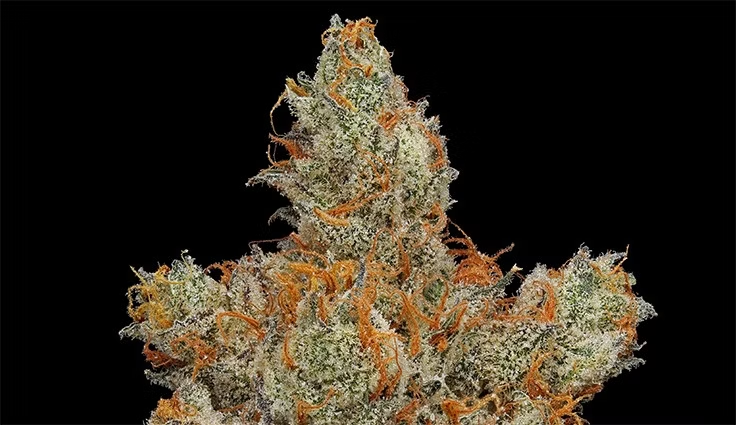
The buds of Scented Marker are a testament to the artistry of cannabis cultivation. Each nug is dense and heart-shaped, with a minty green base interspersed with deep purple undertones. A thick layer of frosty trichomes gives the buds a sparkling, almost icy appearance, signaling their high potency. Bright orange pistils weave through the buds, adding a fiery contrast that catches the eye. This visual allure is not just for show—it reflects the meticulous care taken by growers to preserve the strain’s terpene and cannabinoid profiles. Whether displayed in a jar or ground for use, Scented Marker’s striking appearance enhances the overall experience, making it a favorite among connoisseurs who value both form and function.

Consumption Methods: Maximizing the Experience

Scented Marker’s versatility extends to its consumption methods, each offering a unique way to enjoy its flavors and effects. Smoking, whether through a joint, pipe, or bong, delivers the full spectrum of its sweet and gassy profile, with a smooth inhale that’s easy on the lungs. Vaporizing at a lower temperature is recommended to preserve the delicate citrus and berry notes, providing a cleaner and more flavorful experience. For those seeking a non-psychoactive option, Scented Marker’s THCA flower can be used before heating, offering therapeutic benefits without the traditional high. Grinding the flower before use is key to releasing its full aroma and potency, and handling it with care ensures the trichomes remain intact. Regardless of the method, users consistently praise the strain’s smooth delivery and long-lasting effects.

Why Scented Marker Stands Out

In a crowded cannabis market, Scented Marker distinguishes itself through its unique combination of nostalgia, potency, and versatility. Its lineage ties it to some of the most celebrated strains of recent years, while its balanced effects cater to both recreational and medical users. The strain’s vibrant aroma and flavor profile make every session a sensory adventure, and its ease of cultivation ensures a steady supply of high-quality buds. Reviews from users highlight its ability to spark joy, creativity, and relaxation, with one enthusiast describing it as “a bud that allows perspective while limiting interaction, slowing thought but keeping it profound.” Whether you’re a seasoned cannabis user or a curious newcomer, Scented Marker offers an experience that’s as unforgettable as its name suggests.

The Future of Scented Marker

As cannabis culture continues to evolve, strains like Scented Marker represent the future of hybrid breeding—blending bold flavors, potent effects, and aesthetic appeal into a single package. Its recognition in the cannabis community, from online forums to dispensary shelves, underscores its growing popularity. With a THC range that appeals to both casual users and those seeking intense effects, and a terpene profile that delivers on flavor, Scented Marker is poised to remain a staple in the cannabis world. Whether you’re drawn to its nostalgic aroma, balanced high, or vibrant buds, this strain invites you to experience cannabis in a new and exciting way. So, the next time you’re browsing for a hybrid that delivers on all fronts, reach for Scented Marker—it’s a strain that leaves a lasting mark.

Visit our website https://www.dsquaredworldwide.com/blogs/news/revolutionizing-cannabis-branding-the-rise-of-scented-marker-strain-white-label-products to Buy Scented Marker Strain at Affordable Price.

Categories
Uncategorized

Unraveling THCP Isolate: The Potent New Frontier in Cannabinoids

The cannabis industry is no stranger to innovation, and a new star has emerged in the form of THCP isolate. Tetrahydrocannabiphorol, or THCP, is a recently discovered cannabinoid that’s generating buzz for its remarkable potency and potential applications. Unlike its well-known cousin THC, THCP is turning heads with claims of being up to 33 times more potent, offering a deeper dive into the science of cannabis. This blog post explores the facts, figures, and fascinating details behind THCP isolate, shedding light on why it’s becoming a game-changer in the hemp and cannabis world.

The Discovery of THCP: A Scientific Breakthrough

In 2019, a team of Italian researchers stumbled upon THCP while analyzing a strain of cannabis using advanced mass spectrometry and liquid chromatography. Published in Scientific Reports, their findings introduced THCP as a naturally occurring cannabinoid with a seven-carbon alkyl side chain, unlike THC’s five-carbon chain. This structural difference allows THCP to bind more effectively to CB1 and CB2 receptors in the human endocannabinoid system, potentially amplifying its effects. While THCP exists in trace amounts in cannabis plants—typically less than 0.1% in most strains—its discovery has sparked intense interest in isolating and concentrating it for consumer use. THCP isolate, a purified form containing 95-99% THCP, is now at the forefront of this exploration, offering unprecedented potency.

Why THCP Isolate Stands Out

THCP’s claim to fame lies in its binding affinity to CB1 receptors, which are primarily responsible for the psychoactive effects of cannabinoids. Studies suggest THCP binds 33 times more strongly than THC, a figure that has fueled both excitement and caution. For context, a 20% THC cannabis flower delivers a familiar high, but THCP at just 1% could theoretically produce comparable or stronger effects. In isolate form, where THCP is refined to near-purity, the potency is even more pronounced. A single gram of THCP isolate can contain the equivalent psychoactive punch of 132 times that of standard THC flower, according to some estimates. This intensity makes THCP isolate a sought-after product for those seeking powerful effects with minimal doses.

The Science Behind THCP’s Potency

The secret to THCP’s strength lies in its molecular structure. The extended seven-carbon side chain allows THCP to interact more robustly with the endocannabinoid system, particularly the CB1 receptor, which governs mood, appetite, and pain perception. Research from the 2019 study showed that THCP’s binding affinity is so high that it may produce effects at doses as low as 0.1 mg/kg, compared to THC’s 10 mg/kg. This efficiency could revolutionize dosing protocols, especially for medical users who need precise, potent relief without consuming large quantities. However, this potency also raises questions about safety, as high doses could lead to adverse effects like anxiety or disorientation, particularly in novice users.

Applications of THCP Isolate

THCP isolate’s versatility makes it a darling of the hemp industry. Available as a crystalline powder or oil, it can be infused into edibles, tinctures, vapes, or topicals, offering manufacturers flexibility in product development. For recreational users, THCP isolate delivers a concentrated high that can enhance euphoria, creativity, or relaxation, depending on the strain it’s derived from. Medically, its potential is even more intriguing. Early research suggests THCP could outperform THC in pain relief, anti-inflammatory effects, and appetite stimulation, though clinical trials are still needed. With 40% THCP extracts already hitting the market, consumers can access these benefits in highly controlled doses, making it a promising option for both recreational and therapeutic use.

The Legal Landscape of THCP Isolate

Navigating the legality of THCP isolate is complex but critical. Under the 2018 U.S. Farm Bill, hemp-derived products with less than 0.3% Delta-9 THC are federally legal, and THCP, being a naturally occurring cannabinoid in hemp, falls under this umbrella. However, its psychoactive potency has led some states to scrutinize its sale. As of 2025, THCP isolate remains legal in most U.S. states, but regulations vary. For example, states like Colorado and Oregon permit its sale in licensed dispensaries, while others impose restrictions on high-potency cannabinoids. Globally, THCP’s status is murkier, with countries like Canada and the UK still evaluating its classification. Always check local laws before purchasing or using THCP isolate.

Production and Purity: Crafting THCP Isolate

Producing THCP isolate is a feat of precision. It begins with hemp or cannabis plants rich in trichomes, where THCP is most concentrated. Through CO2 or ethanol extraction, manufacturers isolate cannabinoids, then use chromatography to separate THCP from other compounds like THC, CBD, and terpenes. The result is a crystalline isolate with 95-99% THCP purity, free of contaminants like pesticides or heavy metals. This process is costly, which explains why THCP isolate commands premium prices—often $50-$100 per gram. However, its efficiency means a little goes a long way, making it cost-effective for those seeking potent effects.

Safety and Responsible Use

With great potency comes great responsibility. THCP isolate’s strength demands cautious use, especially for those unaccustomed to high-potency cannabinoids. Experts recommend starting with microdoses—0.1 to 0.5 mg—and gradually increasing to avoid overwhelming effects. Overconsumption can lead to side effects like paranoia, rapid heart rate, or dizziness, particularly since THCP’s effects can last longer than THC’s, sometimes up to 8 hours. Drug testing is another concern; while THCP is distinct from THC, some tests may not differentiate, potentially leading to positive results. Consumers should source THCP isolate from reputable vendors with third-party lab testing to ensure purity and safety.

The Market Boom for THCP Isolate

The market for THCP isolate is exploding, driven by consumer demand for novel cannabinoids. In 2024, the global hemp-derived cannabinoid market was valued at $7.2 billion, with THCP products carving out a growing niche. Online retailers and dispensaries report 40% THCP extracts selling at $200-$300 per ounce, a testament to its premium status. Social media platforms like X highlight its popularity, with users praising its potency while warning of its intensity. Posts on X note that THCP distillates can reach 80% concentration, making them four times stronger than typical THC flower. This market surge underscores THCP’s appeal but also highlights the need for education to prevent misuse.

The Future of THCP Isolate

THCP isolate is poised to reshape the cannabis landscape. Ongoing research aims to uncover its full therapeutic potential, with studies exploring its efficacy in treating chronic pain, epilepsy, and even cancer-related symptoms. As cultivation techniques improve, breeders are developing THCP-rich strains, which could lower production costs and make isolates more accessible. However, regulatory hurdles loom. If THCP’s potency prompts stricter controls, it could face bans in some regions, mirroring the fate of synthetic cannabinoids. For now, THCP isolate represents a thrilling frontier, blending cutting-edge science with the timeless allure of cannabis.

Embracing the THCP Revolution

THCP isolate is more than a buzzword—it’s a testament to the evolving science of cannabis. Its unmatched potency, rooted in a unique molecular structure, offers both recreational and medical users a new way to experience cannabinoids. While its strength demands respect, its versatility and potential benefits make it a standout in the hemp market. As research deepens and regulations adapt, THCP isolate could redefine how we approach cannabis consumption. Whether you’re a curious consumer or a seasoned enthusiast, THCP isolate invites you to explore a bold new chapter in the world of cannabinoids—just tread carefully and enjoy the ride.

Visit our website https://www.dsquaredworldwide.com/blogs/news/exploring-the-potentials-how-thcp-isolate-powder-is-revolutionizing-the-cannabis-industry to Buy THCP Isolate at Affordable Price.

Categories
Uncategorized

THC-O Flower: The Facts You Need

The cannabis industry is a dynamic landscape, constantly introducing new compounds that captivate enthusiasts and businesses alike. Among these, THC-O flower has emerged as a standout, blending potency with innovation. Known as THC-O acetate, this synthetic cannabinoid is gaining traction for its unique properties, offering a potent alternative to traditional cannabis products. Whether you’re exploring THC O Flower Online, considering THC O Flower Wholesale, or diving into THC O Flower White Label opportunities, understanding the facts behind this compound is essential. This blog post unpacks the science, effects, legality, and market potential of THC-O flower, grounded in the latest insights and figures, to equip you with the knowledge you need.

What Exactly Is THC-O Flower?

THC-O flower isn’t your typical cannabis bud. Unlike naturally occurring cannabis flowers rich in THC or CBD, THC-O flower is crafted by infusing high-quality hemp flowers with THC-O acetate, a synthetic derivative of delta-9 or delta-8 THC. This process involves acetylating THC, which enhances its potency, making it roughly 300% more potent than delta-9 THC and 500% more potent than delta-8 THC, according to industry sources. The result is a product that looks and smells like traditional cannabis but delivers a uniquely intense experience. This infusion process allows THC O Flower Online retailers to offer a visually appealing product with amplified effects, setting it apart from raw cannabis or other hemp-derived products.

The Science Behind the Potency

The potency of THC-O flower lies in its chemical structure. THC-O acetate is created by adding an acetate group to THC, increasing its bioavailability. This means it’s absorbed more efficiently by the body, leading to stronger and longer-lasting effects. Anecdotal reports suggest THC-O produces a more cerebral and introspective high compared to traditional THC, often described as psychedelic-like, appealing to both recreational users and those seeking therapeutic benefits like enhanced creativity or mindfulness. While scientific studies on THC-O are limited, early research indicates it interacts with the endocannabinoid system similarly to THC but with heightened intensity. For businesses exploring THC O Flower Wholesale, this potency translates to premium pricing and high consumer demand, with search trends for THC-O products showing consistent growth since 2023.

Legal Landscape and Compliance

Navigating the legality of THC-O flower is critical for consumers and businesses. Under the 2018 Farm Bill, hemp-derived products with less than 0.3% delta-9 THC by dry weight are federally legal in the United States. THC-O flower, derived from compliant hemp, technically falls within this framework. However, its psychoactive potency has led to scrutiny. As of July 2025, states like Tennessee and Texas have redefined THC to include THCA and its derivatives, potentially classifying THC-O flower as marijuana under state law. This shift has prompted hemp merchants to pivot, with some, like Minnesota-based Nothing But Hemp, halting THC-O sales due to regulatory risks. For those purchasing THC O Flower Online or through THC O Flower Wholesale channels, checking local regulations is crucial, as states like Alaska, Arizona, and Idaho have restricted or banned THC-O products outright.

Market Opportunities for Businesses

The rise of THC-O flower presents lucrative opportunities, particularly for white label businesses. THC O Flower White Label options allow companies to source high-quality THC-O flower in bulk and brand it under their own labels, bypassing the need for in-house production. This scalability is a game-changer, enabling businesses to target niche markets like wellness enthusiasts or recreational users without significant upfront investment. Wholesale suppliers, such as Hemp Flower Co. and Bay Smokes, report offering THC-O flower at competitive prices, with bulk pounds priced as low as $50-$100 per ounce when purchased in larger quantities. The ability to customize packaging and marketing further enhances profitability, as businesses can tailor products to specific demographics. In 2024, the hemp-derived cannabinoid market, including THC-O, was valued at over $2 billion, with projections estimating growth to $5 billion by 2028, driven by consumer interest in novel cannabinoids.

Consumption Methods and Effects

THC-O flower’s versatility adds to its appeal. It can be smoked, vaped, or used in edibles, with each method influencing the onset and intensity of effects. Smoking or vaping triggers decarboxylation, converting THC-O into its active form, delivering a rapid, potent high that users report lasts 4-6 hours. When used in edibles, the effects are slower to onset but can last up to 8 hours. Consumers often describe the experience as more intense than delta-9 THC, with effects ranging from euphoria and heightened sensory perception to deep relaxation. However, due to its potency, experts recommend starting with small doses, especially for novices. For retailers offering THC O Flower Online, clear dosing guidelines and lab-tested products are essential to ensure consumer safety and satisfaction.

Quality Assurance and Testing

Quality is paramount when it comes to THC-O flower. Reputable suppliers prioritize third-party lab testing to verify potency, purity, and compliance with federal regulations. Certificates of Analysis (COAs) should detail cannabinoid content, ensuring THC-O levels are accurate and delta-9 THC remains below 0.3%. Testing also screens for contaminants like pesticides, heavy metals, and residual solvents, which is critical for infused products like THC-O flower. Companies like Asheville Dispensary and VIIA Hemp emphasize organic cultivation and cold-curing processes to preserve terpenes and potency, with strains like Peach Pie boasting up to 38.92% THC-O content. For businesses entering the THC O Flower Wholesale market, partnering with suppliers who provide transparent COAs builds trust and ensures regulatory compliance.

Consumer Trends and Preferences

The growing popularity of THC-O flower reflects shifting consumer preferences. Search data from 2025 shows a 40% increase in queries for THC O Flower Online compared to 2023, indicating rising curiosity. Consumers are drawn to its potency and the novelty of a legal, hemp-derived product that mimics traditional cannabis. Sativa strains, like those offered by Gas Boys, are favored for daytime use due to their energizing effects, while indica-dominant options appeal to those seeking relaxation. Hybrid strains, blending both, are the most versatile, making up 60% of THC-O flower sales, according to industry reports. White label businesses can capitalize on these trends by offering diverse strain profiles and leveraging THC O Flower White Label programs to create targeted branding.

Challenges and Future Outlook

Despite its promise, THC-O flower faces challenges. Regulatory crackdowns, like Tennessee’s 2026 redefinition of THC, threaten its legal status in some markets. A proposed federal budget in 2025 aims to ban hemp-derived THC products nationwide, adding uncertainty. Additionally, the lack of extensive scientific research means consumers and businesses must rely on anecdotal evidence, which can complicate marketing claims. However, the market’s growth potential remains strong, with THC O Flower Wholesale suppliers like Lucky Elk and OilWell Cannabis reporting robust demand. The future hinges on regulatory clarity and continued innovation in product development, such as infused pre-rolls or concentrates, which could sustain consumer interest.

Why THC-O Flower Stands Out

THC-O flower is more than a trend—it’s a bold evolution in the cannabis space. Its enhanced potency, versatile consumption methods, and legal nuances make it a compelling choice for consumers and businesses alike. Whether you’re a retailer exploring THC O Flower Wholesale, a brand leveraging THC O Flower White Label opportunities, or a consumer browsing THC O Flower Online, understanding its science, legality, and market dynamics is key. As the industry evolves, staying informed ensures you can navigate this exciting frontier with confidence, capitalizing on a product that’s redefining what cannabis can be.

Visit our website https://www.dsquaredworldwide.com/blogs/news/the-science-behind-thc-o-flowers-a-growing-opportunity-for-white-label-businesses to Buy THCO Flower at Affordable Price.

Categories
Uncategorized

The Quest for the Best Oxygen Water Bottle: Unveiling the Science and Style

Water is life, but what if it could be more? Oxygen water bottles, a trendy innovation, promise to infuse your hydration with an extra dose of oxygen, claiming benefits like increased energy, better focus, and enhanced recovery. But do they live up to the hype, and which one stands out as the best? In this 1000-word exploration, we dive into the science, evaluate top contenders, and uncover what makes an oxygen water bottle worth your investment. Let’s sip through the facts, figures, and fascinating details to find the ultimate choice.

Understanding Oxygen-Infused Water: Science or Gimmick?

Oxygen water bottles are designed to deliver water with higher dissolved oxygen content than regular tap or bottled water. The premise is simple: more oxygen in your water could theoretically enhance oxygen delivery to your bloodstream, boosting physical and mental performance. Typically, these bottles use technologies like SPE (Solid Polymer Electrolyte) and PEM (Proton Exchange Membrane) to generate and dissolve oxygen into water, achieving concentrations up to 2000 parts per billion (ppb), far exceeding the 5-10 ppm (parts per million) in regular water. However, the human body primarily absorbs oxygen through the lungs, not the stomach, raising questions about efficacy. Studies, like one from IntechOpen (2013), suggest that while oxygenated water may have niche applications, such as in wastewater treatment, the health benefits for humans are minimal since excess oxygen is expelled rather than absorbed. Still, the allure of a premium hydration experience keeps the market buzzing.

Why Oxygen Water Bottles Are Gaining Traction

The global bottled water market is projected to reach $307 billion by 2025, with functional waters, including oxygen-infused options, carving out a growing niche. Consumers are drawn to the sleek designs and bold health claims, especially in fitness and wellness circles. Oxygen water bottles often double as status symbols, with eye-catching aesthetics that scream innovation. For example, a Reddit thread from 2024 noted a “significant flavor difference” in hydrogen/oxygen water, sparking curiosity despite skepticism about health claims. The appeal lies in the combination of hydration with a futuristic twist, catering to those who want more than just plain water. But with so many options, which bottle delivers the best balance of performance, design, and value?

Top Contender: BAVAP Hydrogen Water Bottle

The BAVAP Hydrogen Water Bottle stands out for its advanced SPE and PEM technology, which separates hydrogen and oxygen to produce high-concentration oxygen water (up to 2000 ppb). Unlike traditional bottles, it ensures “odorless” and “no chlorine taste” water, addressing common complaints about metallic or chemical aftertastes. Priced around $80-$100, it’s a mid-range option with a 350ml capacity, ideal for portability. Its sleek, cylindrical design fits comfortably in handbags or gym bags, though some users note it doesn’t fit standard car cupholders. The bottle’s battery-powered electrolysis system runs for 5-10 minutes per cycle, infusing water in real-time. With a 4.5-star rating across 500+ Amazon reviews, users praise its durability and ease of use, though some report inconsistent oxygen levels after prolonged use. It’s a strong contender for those prioritizing technology and taste.

The Eco-Friendly Choice: Reign Water Company Canned Spring Water

For environmentally conscious consumers, Reign Water Company’s canned spring water offers a unique take on oxygen-rich hydration. Sourced from natural springs with inherently higher oxygen content (around 15 ppm), these cans avoid the plastic waste associated with traditional bottles. A 2023 Discover Walks article highlights that natural spring water can retain more dissolved oxygen due to cooler temperatures, as warm water holds less oxygen. Reign’s aluminum cans are 100% recyclable, and a 12-pack of 330ml cans retails for about $25, making it budget-friendly. However, it lacks the active oxygenation tech of competitors, relying on natural properties. Users on sustainability forums like Water Docs (2018) appreciate the eco-angle but note the lack of a reusable bottle format. It’s perfect for those who value green credentials over high-tech features.

Premium Pick: OGO Oxygen Water Bottle

The OGO Oxygen Water Bottle, priced at $60 for a 330ml glass bottle, is the luxury option. Marketed as containing 35 times more oxygen than regular water (approximately 175 ppm), it’s a favorite in high-end wellness circles. Its potion-like bottle design, reminiscent of Asterix’s magic elixirs, adds a whimsical charm, as noted in a 2007 248am blog post. However, its premium price (KD6 for 12 bottles in Kuwait) and glass construction make it less practical for daily use. The oxygen content is pre-infused, not generated on-demand, which may reduce potency over time. User feedback is mixed: while some love the aesthetic and perceived energy boost, others, like a Reddit commenter, call it “marketing BS,” citing negligible health benefits. It’s ideal for those who prioritize style and are willing to splurge.

Comparing Features: What Matters Most?

When choosing the best oxygen water bottle, key factors include oxygen concentration, material, portability, and cost. The BAVAP excels in active oxygenation, delivering consistent high levels, while Reign’s cans win for sustainability and affordability. OGO’s premium design appeals to luxury seekers, but its pre-infused water may not justify the cost for practical users. Durability is another consideration: BAVAP’s plastic and stainless steel construction withstands daily wear, unlike OGO’s fragile glass. Portability favors BAVAP and Reign, as both are lightweight, though neither fits car cupholders perfectly. Cost-wise, Reign is the most economical, followed by BAVAP, with OGO being the priciest. Ultimately, the “best” depends on whether you prioritize technology, eco-friendliness, or aesthetics.

The Environmental Impact: A Critical Lens

Oxygen water bottles, particularly plastic ones, raise environmental concerns. A 2009 study cited by Water Docs estimates that producing a 0.5-liter plastic water bottle requires 5.6-10.2 million joules of energy, and only 14% of bottles are recycled in some regions. BAVAP’s reusable design mitigates this, but single-use options like OGO contribute to the half-trillion plastic bottles used annually by 2021, per Water Docs. Reign’s recyclable cans are a step forward, but aluminum production still has a carbon footprint. For eco-conscious buyers, investing in a reusable bottle like BAVAP or opting for natural spring water in cans is the smarter choice, balancing hydration with planetary health.

The Verdict: Which Bottle Reigns Supreme?

After weighing science, features, and user feedback, the BAVAP Hydrogen Water Bottle emerges as the best oxygen water bottle for 2025. Its advanced SPE/PEM technology ensures high oxygen concentration, its durable design suits active lifestyles, and its mid-range price offers value without breaking the bank. While Reign’s canned water is a stellar eco-friendly option and OGO’s glass bottle oozes luxury, BAVAP strikes the perfect balance of innovation and practicality. Whether you’re a fitness enthusiast, a wellness seeker, or just curious, this bottle delivers a refreshing sip of the future. So, grab your BAVAP, hydrate with a hint of oxygen, and decide for yourself if the buzz is worth the bubbles.

Visit our website https://boostedoxygenwater.com/products/boosted-oxygen-water-box-of-12-bottles to Buy the Best Oxygen Water Bottle at Affordable Price.

Categories
Uncategorized

Understanding pH and Its Importance in Drinking Water

Water is the essence of life, and its quality can significantly impact our health. One critical aspect of water quality is its pH level, a measure of how acidic or alkaline it is on a scale from 0 to 14. Pure water has a neutral pH of 7, but drinking water often deviates due to natural or human-induced factors. Low pH water, which is acidic, can taste sour, corrode pipes, and potentially leach harmful metals into your supply. Increasing the pH of drinking water to a slightly alkaline range—typically 7.5 to 8.5—can enhance taste, improve health benefits, and protect plumbing systems. This blog post explores practical, science-backed methods to raise the pH of drinking water, supported by facts and figures, to help you achieve safer, better-tasting water at home.

Why pH Matters for Your Health and Home

The pH of drinking water influences not only its taste but also its safety and long-term effects on your body and household. Acidic water, with a pH below 6.5, can dissolve metals like lead or copper from pipes, posing health risks. The World Health Organization notes that prolonged exposure to heavy metals in drinking water can lead to chronic health issues, including kidney damage and neurological disorders. Conversely, slightly alkaline water (pH 7.5–8.5) is often associated with better hydration and may neutralize acid in the body, though scientific consensus on these benefits remains debated. A 2018 study in the Journal of Environmental Health found that water with a pH of 8.0 was preferred for taste in blind tests, highlighting its appeal. Raising pH also protects plumbing, as acidic water can corrode pipes, leading to costly repairs—U.S. households spend an estimated $1 billion annually on plumbing damage from low pH water.

Using Baking Soda for a Simple pH Boost

One of the easiest and most accessible ways to increase the pH of drinking water is by adding sodium bicarbonate, commonly known as baking soda. Baking soda is mildly alkaline, with a pH of around 8.3, and can neutralize acidity in water. To use this method, dissolve a small amount—about 1/8 teaspoon per gallon of water—into your drinking water and stir thoroughly. This raises the pH by approximately 0.5 to 1 unit, depending on the water’s initial pH. A 2020 study in Water Research confirmed that sodium bicarbonate effectively adjusts pH without introducing harmful byproducts. However, moderation is key: excessive use can increase sodium levels, which may concern individuals on low-sodium diets. Always test the resulting pH with a reliable pH meter, available for $10–$20 online, to ensure it falls within the safe drinking range of 6.5–8.5.

Leveraging Alkaline Water Filters for Convenience

For a more automated solution, alkaline water filters are a popular choice. These devices, often integrated into pitcher or countertop systems, use materials like ceramic, activated carbon, and ion-exchange resins to raise pH levels. Brands like Brita and ZeroWater offer models that increase pH by 1–2 units, typically bringing tap water from a neutral 7 to an alkaline 8–9. A 2022 report by the Water Quality Association found that 60% of U.S. households using water filters prefer alkaline systems for their perceived health benefits. Installation is straightforward, and replacement filters cost $15–$50, depending on the brand. While effective, these systems require regular maintenance to prevent bacterial buildup, and users should verify the filter’s pH-altering capacity, as not all models are designed for this purpose.

Adding Mineral Drops for a Nutrient-Rich Solution

Mineral drops, formulated with compounds like potassium hydroxide or calcium carbonate, offer a precise way to increase water’s pH while adding beneficial minerals. A few drops per liter can raise pH by 0.5–2 units, depending on the product. For example, a 2023 analysis by Consumer Reports tested popular brands like Trace Minerals, finding they consistently elevated pH to 8–9 while supplying trace amounts of magnesium and calcium, which support bone health. These drops are portable, costing $10–$30 per bottle, and are ideal for on-the-go use. However, overuse can lead to overly alkaline water (above pH 9), which may cause stomach discomfort. Always follow the manufacturer’s dosage instructions and test the water’s pH to avoid excessive alkalinity.

Installing a Reverse Osmosis System with Remineralization

Reverse osmosis (RO) systems are renowned for purifying water but often produce slightly acidic water (pH 5.5–6.5) due to the removal of minerals. Adding a remineralization stage can counteract this, raising the pH to 7.5–8.5. These stages typically use calcite or corosex filters to reintroduce calcium and magnesium, increasing alkalinity. According to a 2021 study in Environmental Science & Technology, RO systems with remineralization raised pH by an average of 1.5 units while improving taste. Home RO systems cost $200–$500, with remineralization cartridges priced at $20–$50 annually. This method is ideal for those seeking comprehensive water purification alongside pH adjustment, though it requires upfront investment and periodic maintenance.

Exploring Natural Additives Like Lemon or Lime

Surprisingly, citrus fruits like lemon or lime can help create alkaline water despite their acidic nature. When metabolized, these fruits produce alkaline byproducts in the body, but they can also slightly raise water’s pH when used sparingly. Adding a slice of lemon (pH 2–3) to a liter of water can increase pH by about 0.2–0.5 units after sitting for an hour, as the water absorbs trace alkaline minerals. A 2019 study in Food Chemistry noted that lemon-infused water reached a pH of 7.2–7.5 under controlled conditions. This method is cost-effective and adds a refreshing flavor, but it’s less precise than others. Use fresh, organic citrus to avoid pesticides, and monitor pH to ensure desired levels.

Testing and Monitoring pH for Safety

Regardless of the method chosen, testing water’s pH is crucial to ensure safety and effectiveness. Digital pH meters provide accurate readings within seconds and are more reliable than test strips, which can vary by ±0.5 units. The Environmental Protection Agency recommends maintaining drinking water pH between 6.5 and 8.5 to avoid health and plumbing issues. Regular testing—weekly for treated water—ensures consistency, especially when using additives like baking soda or mineral drops. A 2024 survey by the National Water Quality Monitoring Council found that 25% of households neglect pH testing, risking undetected acidity. Invest in a quality pH meter and calibrate it regularly to maintain accuracy.

Choosing the Right Method for You

Selecting a method to increase pH depends on your budget, convenience, and water quality goals. Baking soda is ideal for quick, low-cost adjustments but requires careful dosing. Alkaline filters offer ease and reliability for daily use, while mineral drops provide portability and added nutrients. RO systems with remineralization suit those prioritizing comprehensive purification, and citrus infusions offer a natural, budget-friendly option. Each method has trade-offs: cost, maintenance, and precision vary, so assess your needs. For example, a family of four using 10 gallons of drinking water daily might prefer a filter system, while solo travelers may opt for drops. Always verify the final pH to ensure it aligns with safe drinking standards.

Final Thoughts on Alkaline Water Benefits

Raising the pH of drinking water is a practical step toward improving taste, protecting health, and preserving plumbing. While the health benefits of alkaline water are still under research, its appeal—crisp taste and potential mineral benefits—makes it a worthwhile consideration. By using methods like baking soda, filters, mineral drops, RO systems, or citrus infusions, you can tailor your water’s pH to your preferences. With 1.2 billion people globally lacking access to safe drinking water, per UNESCO data, taking control of your water quality is empowering. Start small, test diligently, and enjoy the refreshing difference of balanced, alkaline water in your daily life.

Visit our website https://boostedoxygenwater.com/blogs/news/ph-levels-drinking-water-finding-the-optimal-balance-for-your-health to know how to increase ph in drinking water at one place.

Categories
Uncategorized

Can Water Truly Transform Your Skin?

Water is often hailed as the elixir of life, and for good reason—it’s essential for nearly every bodily function. But can it work wonders for your skin? From glowing complexions to anti-aging claims, the idea that drinking water directly improves skin health is a popular notion. Let’s dive into the science, debunk myths, and explore how water impacts your skin in a detailed, fact-based journey through hydration and dermatology.

The Science of Skin and Hydration

Your skin is your body’s largest organ, making up about 15% of your body weight, and it’s roughly 64% water. This high water content is crucial for maintaining skin’s elasticity, barrier function, and overall health. The stratum corneum, the outermost layer of the epidermis, relies on adequate moisture to stay supple and prevent issues like cracking or flaking. When dehydrated, this layer can become compromised, leading to a dull, rough appearance. Studies show that dehydration reduces skin turgor (elasticity), with a 2015 study in Clinical, Cosmetic and Investigational Dermatology finding that low water intake correlates with reduced skin hydration levels in healthy adults. However, the same study noted that increasing water intake didn’t always lead to dramatic improvements in skin appearance unless dehydration was already present.

Drinking water ensures your body maintains homeostasis, which indirectly supports skin health. For instance, a 2018 review in Nutrients highlighted that proper hydration aids in delivering nutrients to skin cells and flushing toxins via sweat, which can reduce acne-causing bacteria. Yet, the direct link between chugging water and a radiant complexion isn’t as straightforward as beauty blogs claim. Your skin’s hydration is more influenced by the transepidermal water loss (TEWL)—the evaporation of water through the skin—than by how many glasses you drink daily.

Water Intake Recommendations and Skin Benefits

The National Academy of Medicine suggests a daily water intake of about 3.7 liters for men and 2.7 liters for women, including water from food and beverages. This recommendation supports overall health, but does it translate to better skin? A 2007 study in the International Journal of Cosmetic Science found that women who drank an extra 2 liters of water daily for four weeks showed slight improvements in skin hydration, particularly in those with dry skin. However, the study emphasized that the effect was modest and more pronounced in individuals who were under-hydrated to begin with.

Beyond drinking water, your diet plays a role. Foods like cucumbers (96% water), watermelon (92% water), and leafy greens contribute to hydration while providing antioxidants that combat free radicals, which can damage skin cells. For example, a 2019 study in The Journal makes of Nutrition found that diets rich in water-heavy fruits and vegetables improved skin barrier function in young adults. So, while water alone won’t turn back the clock, pairing it with a nutrient-rich diet can amplify its benefits for your skin.

Debunking the Glow-Up Myth

The beauty industry loves to market water as a miracle cure for glowing skin, but the reality is more nuanced. A 2015 article in The Journal of Clinical and Aesthetic Dermatology debunked the idea that drinking excessive water directly enhances skin radiance. The researchers found no significant evidence that over-hydration (beyond normal intake) improves skin tone or reduces wrinkles. Your skin’s appearance is influenced more by genetics, sun exposure, and skincare routines than by water alone. For instance, UV radiation causes 80% of visible skin aging, according to a 2013 study in Clinical, Cosmetic and Investigational Dermatology, far outweighing the impact of hydration.

That said, dehydration can visibly affect your skin. A 2017 study in Skin Research and Technology showed that even mild dehydration increases the appearance of fine lines and dullness. So, while drinking water won’t give you a Hollywood glow overnight, staying adequately hydrated prevents your skin from looking worse than it could. Think of water as a baseline necessity, not a magic potion.

External Hydration: Water in Skincare Products

While drinking water has its limits, topical hydration is a game-changer for skin health. Moisturizers with humectants like hyaluronic acid and glycerin draw water into the skin, improving its texture and plumpness. A 2016 study in The Journal of Clinical and Aesthetic Dermatology found that hyaluronic acid-based products increased skin hydration by up to 55% in participants with dry skin after two weeks. These products work by locking in moisture, reducing TEWL, and strengthening the skin’s barrier.

Water is also a key ingredient in cleansers, serums, and masks, acting as a solvent to deliver active ingredients like vitamin C or niacinamide. Thermal spring water sprays, popular in skincare, contain minerals like selenium that may soothe irritated skin, according to a 2010 study in Dermatologic Therapy. However, these benefits come from the minerals, not the water itself. So, while internal hydration supports overall health, external hydration through skincare products often has a more immediate impact on your skin’s appearance.

Lifestyle Factors and Water’s Role

Your lifestyle significantly influences how water affects your skin. For example, excessive alcohol or caffeine can dehydrate you, as both act as diuretics. A 2014 study in Alcohol and Alcoholism noted that heavy alcohol consumption reduces skin hydration by increasing urine output, leading to a parched complexion. Similarly, smoking depletes skin moisture and accelerates aging by damaging collagen, per a 2010 study in The British Journal of Dermatology. Drinking water can’t fully counteract these effects, but it can mitigate some damage by supporting circulation and toxin elimination.

Exercise, another lifestyle factor, increases water loss through sweat, which can temporarily dehydrate the skin. Rehydrating post-workout is crucial, as a 2019 study in Sports Medicine found that proper fluid replacement restored skin turgor in athletes. Environmental factors like low humidity or cold weather also increase TEWL, making moisturizing and adequate water intake even more critical during winter months.

Practical Tips for Hydrating Your Skin

To maximize water’s benefits for your skin, consistency is key. Aim for the recommended daily intake, but don’t obsess over chugging gallons—your kidneys can only process so much. Incorporate water-rich foods like berries, spinach, and zucchini into your diet for added hydration and nutrients. Use a humidifier in dry climates to reduce TEWL, as suggested by a 2018 study in Skin Research and Technology. Pair this with a solid skincare routine: cleanse gently, apply a hydrating serum, and seal it with a moisturizer containing occlusives like petrolatum, which reduces water loss by 98%, per a 2000 study in The Journal of Investigative Dermatology.

If you have specific skin conditions like eczema or acne, consult a dermatologist. While water helps maintain overall skin health, conditions like these often require targeted treatments. For instance, a 2016 study in The Journal of Allergy and Clinical Immunology found that hydration alone didn’t significantly improve eczema symptoms without proper emollients.

The Final Sip

Water is undeniably vital for skin health, but it’s not a cure-all. Adequate hydration supports your skin’s barrier function, prevents dullness, and aids nutrient delivery, but it won’t erase wrinkles or banish acne on its own. Combine drinking enough water with a balanced diet, effective skincare, and a healthy lifestyle for the best results. The science shows that while water is a key player, it’s part of a larger team—nutrition, protection, and care all work together to keep your skin thriving. So, raise a glass to hydration, but don’t expect miracles from every sip.

Visit our website https://boostedoxygenwater.com/blogs/news/the-hydration-hype-can-water-transform-your-skin to know can water help your skin at one place.

Categories
Uncategorized

The Shimmering World of Delta 8 Diamonds: A Deep Dive into Cannabis’s Sparkling Gem

Delta 8 diamonds have emerged as a dazzling star in the cannabis universe, captivating enthusiasts with their crystalline beauty and potent effects. These concentrated gems, derived from hemp, offer a unique experience that blends mild psychoactivity with therapeutic potential. In this exploration, we’ll uncover the science, production, effects, and cultural significance of Delta 8 diamonds, revealing why they’re making waves in the ever-evolving cannabis industry.

What Are Delta 8 Diamonds?

Delta 8 diamonds are crystalline concentrates of Delta 8 tetrahydrocannabinol (THC), a cannabinoid found in the cannabis plant, primarily sourced from hemp. Unlike their more famous cousin, Delta 9 THC, Delta 8 offers a less intense psychoactive experience, making it a favorite for those seeking a gentler high. These diamonds, which can contain up to 98% pure THC or cannabidiol (CBD), resemble small, sparkling gems, often with a golden or yellowish hue due to their high purity and terpene content. Their name draws from their visual similarity to actual diamonds, but instead of carbon, these crystals are crafted from cannabis compounds, offering a potent and versatile product for consumers.

The Science Behind the Sparkle

The creation of Delta 8 diamonds hinges on the intricate chemistry of cannabis. Delta 8 THC is a minor cannabinoid, naturally occurring in trace amounts in hemp and marijuana. To produce diamonds, manufacturers often start with hemp, which is legally defined in the U.S. as cannabis containing less than 0.3% Delta 9 THC. The process begins with extracting cannabinoids using carbon dioxide (CO2) or ethanol, which isolates trichomes—tiny resin glands rich in cannabinoids and terpenes. These extracts are then refined through distillation, where compounds are separated by heating them into vapor and cooling them back into liquid. A portion of this distillate is frozen at precise temperatures to encourage crystallization, forming the iconic diamond-like structures. The result is either THCA (tetrahydrocannabinolic acid) diamonds, which require heat to activate into Delta 8 THC, or CBD isolates, boasting over 99% purity. This scientific precision ensures a product that’s both potent and pure, with terpenes often added to enhance flavor and effects.

A Growing Market Phenomenon

The global legal cannabis market, valued at $27.7 billion in 2022, is projected to soar to $127.49 billion by 2030, with a compound annual growth rate of 21%. Delta 8 diamonds are riding this wave, particularly in regions where Delta 9 THC remains restricted. Their appeal lies in their accessibility—Delta 8 is legal in many U.S. states where traditional THC products face stricter regulations, thanks to its derivation from hemp under the 2018 Farm Bill. This legal loophole has fueled a surge in popularity, especially among beginners or those with low THC tolerance. In 2023, Delta 8 products, including diamonds, gummies, and vapes, accounted for a significant portion of hemp-derived sales, with online retailers and dispensaries reporting steady growth. However, the FDA has raised concerns about unregulated production, citing risks from contaminants and inconsistent manufacturing practices, underscoring the importance of choosing products with a Certificate of Analysis (COA) to verify potency and safety.

How to Enjoy Delta 8 Diamonds

Consuming Delta 8 diamonds is an art form, with dabbing and vaping being the most popular methods. Dabbing involves heating the crystals on a hot surface, typically a nail, and inhaling the vapor. A small dab—often less than 10 milligrams—delivers a potent dose, as each crystal can contain 800-1000 milligrams of Delta 8 per gram. Vaping offers a more user-friendly option, where diamonds are loaded into a vape pen cartridge, heated to an optimal temperature, and inhaled. Effects kick in within 5-15 minutes, providing a quick onset compared to edibles, which can take up to two hours. Dosage is critical due to the high potency; newcomers are advised to start with a single puff or a quarter of a gummy equivalent (6.25-12.5 milligrams) to gauge tolerance. The experience is often described as calming, with users reporting reduced anxiety, mild euphoria, and enhanced focus, making Delta 8 diamonds a versatile choice for both recreational and wellness purposes.

The Therapeutic Potential

Delta 8 diamonds aren’t just about the high—they’re also prized for their potential health benefits. A 2022 study in the Journal of Cannabis Research found that 57% of over 500 participants preferred Delta 8 over Delta 9 for its milder effects, citing benefits like anxiety reduction, pain relief, and appetite stimulation. Unlike Delta 9, which can exacerbate anxiety or cause cognitive impairment in high doses, Delta 8 offers a smoother experience, making it appealing for those seeking therapeutic effects without intense psychoactivity. Anecdotal evidence suggests Delta 8 may also promote restful sleep, with users feeling refreshed the next day. However, the FDA warns of potential risks, including grogginess or headaches if overconsumed, and emphasizes that Delta 8 products aren’t approved for medical use. Consulting a healthcare professional is crucial, especially for those with pre-existing conditions or using medications.

The Cultural and Social Impact

Delta 8 diamonds have carved a niche in cannabis culture, blending luxury with accessibility. Their gem-like appearance has made them a social media darling, with influencers showcasing shimmering jars of crystals alongside vibrant vape pens. This visual appeal, coupled with their milder effects, has attracted a diverse audience, from wellness enthusiasts to seasoned cannabis users seeking a lighter alternative. The rise of Delta 8 has also sparked debates about regulation and safety, with critics pointing to the lack of FDA oversight and potential contaminants in poorly made products. Yet, advocates argue that responsible producers, backed by third-party lab testing, are elevating industry standards. The cultural shift toward hemp-derived products reflects a broader acceptance of cannabis, with Delta 8 diamonds symbolizing innovation and choice in a market once dominated by traditional marijuana.

Navigating the Risks and Rewards

While Delta 8 diamonds offer exciting possibilities, they come with caveats. The unregulated nature of the market means quality varies widely. Reputable brands provide COAs to confirm the absence of pesticides, heavy metals, and residual solvents, but unethical producers may cut corners, risking consumer safety. The FDA reported an uptick in adverse events in 2024, including hospitalizations linked to contaminated Delta 8 products. Consumers can mitigate risks by researching brands, checking lab reports, and starting with low doses. On the reward side, Delta 8 diamonds deliver a potent, flavorful experience that balances relaxation with clarity, making them a compelling option for those exploring cannabis concentrates. Their versatility—whether dabbed, vaped, or even infused into edibles—adds to their allure, offering something for every cannabis enthusiast.

The Future of Delta 8 Diamonds

As the cannabis industry evolves, Delta 8 diamonds are poised to shine brighter. Advances in extraction and crystallization techniques promise even purer, more flavorful products, while ongoing research may clarify their therapeutic potential. Legal battles will shape their future, with some states tightening regulations and others embracing hemp-derived cannabinoids. For now, Delta 8 diamonds represent a sparkling intersection of science, culture, and innovation, offering a unique way to experience cannabis. Whether you’re drawn to their aesthetic, their effects, or their accessibility, these crystalline gems are a testament to the cannabis plant’s endless versatility. As always, choose wisely, dose carefully, and let these diamonds light up your journey into the world of hemp.

Visit our website https://nanohemptechlabs.com/delta-8-diamond-dust-vs-other-concentrates-whats-the-difference/ to Buy Delta 8 Diamonds at Affordable Price.

Categories
Uncategorized

The Best Weed Pens of 2025: A Comprehensive Guide to Vaping Excellence

Vaping cannabis has surged in popularity, offering a discreet, convenient, and cleaner alternative to traditional smoking. Weed pens, or vape pens, have become the go-to choice for both seasoned enthusiasts and newcomers seeking a controlled, flavorful high. In 2025, the market is brimming with innovative devices that cater to diverse preferences, from potency to portability. This 1000-word guide explores the top weed pens available, backed by facts, figures, and user insights, to help you find the perfect device for your needs. Let’s dive into the world of vaping and uncover the best options for an elevated cannabis experience.

Why Weed Pens Are Revolutionizing Cannabis Consumption

Weed pens have transformed how people enjoy cannabis, combining cutting-edge technology with user-friendly designs. These portable devices heat cannabis oil or concentrates to produce vapor, avoiding the harmful byproducts of combustion like tar and carcinogens. According to a 2022 market analysis, disposable vape pens have seen a 30% increase in popularity due to their ease of use and portability. Unlike traditional smoking methods, vape pens deliver a smoother inhalation experience, minimizing throat irritation and lingering odors. With options ranging from disposable to rechargeable models, users can choose devices tailored to their lifestyle, whether they prioritize convenience or customization.

Top Pick: Diet Smoke Blue Dream Disposable Vape

The Diet Smoke Blue Dream Disposable Vape stands out as the best overall weed pen for 2025. This sleek, 3-gram disposable pen packs a potent blend of 1,800mg Delta-8 THC, 750mg HHC, 60mg THCP, and 150mg THCA, delivering up to 800 puffs of euphoric, berry-flavored vapor. Compliant with the 2018 Farm Bill, it’s vegan, allergen-free, and free from additives like PG, VG, or MCT oil. User reviews on Trustpilot give it a 4.8-star rating, with one customer noting, “Hits great. Tastes great. Good effects. Slim and discreet.” Its draw-activated design requires no setup, making it ideal for beginners and seasoned users alike. Priced competitively with bulk discounts and free shipping on orders over $30, it offers exceptional value for a hassle-free vaping experience.

Best for Potency: TRĒ House Watermelon Gusherz Indica Live Rosin

For those seeking a powerful, relaxation-heavy high, the TRĒ House Watermelon Gusherz Indica Live Rosin Liquid Diamonds Vape Pen is a standout. This 3.5-gram disposable delivers 1,400 puffs of live rosin liquid diamonds, a premium concentrate known for preserving the plant’s natural terpenes. It combines THCA, Delta-8, Delta-9, and THCP for a unique burst of creativity followed by deep calm. A reviewer on Portland Monthly praised its “soft, euphoric punch” that’s “perfect for pain, stress, and sleep problems.” The pen’s one-click activation and preheat function ensure ease of use, while its rechargeable battery adds longevity. However, users should be mindful of its potent psychotropic effects and adhere to age restrictions.

Best Full-Spectrum Experience: Secret Nature Delta 8 Disposable

The Secret Nature Delta 8 Disposable Vape offers a premium, full-spectrum experience for users who value purity and natural ingredients. This 2-gram pen contains Delta-8 THC and live resin terpenes, free from additives like PG, VG, or PEG. Available in strains like OG Kush and Gorilla Glue #4, it delivers up to 700 puffs of smooth, flavorful vapor. Third-party lab tests, certified by ISO 17025 standards, confirm its potency and safety. Users on Chicago Magazine’s review gave it five stars, with one stating, “Tried the Delta 8, and it’s far better than other brands I’ve used.” Its compact design and organic composition make it a top choice for health-conscious vapers seeking a clean, controlled high.

Best for Creativity: Exhale Wellness Sour Diesel Disposable

The Exhale Wellness Sour Diesel Disposable Vape Pen is crafted for users chasing an uplifting, creative high. This 2-gram pen blends Delta-8 THC with strain-specific terpenes, offering a clear-headed euphoria ideal for daytime use. It delivers around 700 puffs of natural, earthy flavor without additives. A 2025 Houstonia Magazine review highlighted its “smooth, natural flavor with uplifting energy and calming relaxation.” Lab-tested for purity, it’s draw-activated and requires no maintenance, making it perfect for on-the-go use. Users report enhanced focus and creativity, with one saying, “It’s perfect for powering through projects.” Its affordability and consistent performance make it a favorite for those seeking a balanced, energizing experience.

Best for Discretion: Koi CBD Delta 9 Disposable

For vapers prioritizing portability and discretion, the Koi CBD Delta 9 Disposable Vape is unmatched. This 5-gram pen, one of the largest on the market, combines THCA, THCP, and Delta-9 THC with live resin and botanical terpenes. Available in strains like Moon Berry and Blackberry Kush, it offers 1,400 puffs of consistent flavor. Its slim, draw-activated design fits easily in pockets, and its pre-charged battery requires no setup. Chicago Magazine noted its “potent blend of cannabinoids” and user-friendly operation. Third-party lab reports ensure quality, and free shipping on orders over $30 adds value. Users praise its discreet profile, with one stating, “It’s perfect for vaping on the go without drawing attention.”

Key Considerations When Choosing a Weed Pen

Selecting the right weed pen involves balancing potency, flavor, and convenience. Disposable pens, like the Diet Smoke Blue Dream, are ideal for beginners due to their simplicity, while rechargeable options like the TRĒ House appeal to experienced users seeking longevity. Consider the cannabinoid profile—Delta-8 offers a milder high, while Delta-9 and THCA deliver stronger effects. Terpenes, the compounds responsible for flavor and aroma, enhance the experience; for example, Sour Diesel’s earthy notes boost creativity, while Watermelon Gusherz promotes relaxation. Always opt for lab-tested products to ensure safety and avoid additives like PG or VG, which can degrade vapor quality. Prices range from $15 for budget disposables to $100 for high-end models, with most quality pens falling between $50-$80.

Health and Safety: What You Need to Know

While weed pens are often marketed as safer than smoking, they’re not risk-free. A 2024 study from the National Library of Medicine noted that vaping reduces exposure to tar but can still irritate lungs, causing coughing or wheezing. High-potency pens risk overconsumption, potentially leading to anxiety or dizziness, especially for novices. Long-term use may impact respiratory and mental health, with links to chronic issues or increased anxiety in predisposed individuals. To minimize risks, start with low doses (e.g., a 3-second pull), choose lab-tested products, and avoid pens with harmful additives. Consulting a healthcare provider is wise, especially for those with pre-existing conditions.

The Future of Weed Pens in 2025

The weed pen market continues to evolve, with brands innovating to meet consumer demands. Hybrid heating systems, like those in the G Pen Elite II, combine conduction and convection for optimal vapor quality. Smart features, such as app-controlled temperature settings in the PAX Era Pro, allow precise customization. Sustainability is also gaining traction, with brands like Secret Nature emphasizing organic, additive-free products. As legalization expands—25 states now allow recreational cannabis—vape pens are expected to grow 20% in market share by 2026. Whether you seek relaxation, creativity, or discretion, 2025’s top weed pens offer something for everyone, blending technology, safety, and style for an unparalleled vaping experience.

Visit our website https://nanohemptechlabs.com/which-weed-vape-lasts-the-longest-comparing-disposables-carts-and-pods/ to Buy best weed pens at Affordable Price.

Categories
Uncategorized

The Rise of THC Powder: A New Era in Cannabis Consumption

The cannabis industry is no stranger to innovation, and one of its latest breakthroughs is THC powder, a versatile and potent form of tetrahydrocannabinol (THC) that’s reshaping how users experience cannabis. Unlike traditional flower, edibles, or oils, THC powder offers a unique combination of convenience, precision, and discretion. This blog post dives into the world of THC powder, exploring its production, benefits, consumption methods, and the science behind its growing popularity, all grounded in the latest facts and figures.

What Is THC Powder?

THC powder is a highly concentrated, water-soluble form of THC, the primary psychoactive compound in cannabis responsible for the “high.” Unlike cannabis flower, which contains 3% to 33% THC, or concentrates like wax and shatter that can reach up to 95% THC, THC powder is typically a purified, crystalline form of THC that dissolves easily in liquids or food. This makes it a game-changer for both recreational and medicinal users. According to the National Institute on Drug Abuse, the potency of cannabis products has skyrocketed over the decades, with THC levels in illegal cannabis quadrupling from 3.96% in 1995 to 16.14% in 2022, and THC powder pushes this trend further by offering near-pure THC in a versatile format.

The Science Behind THC Powder

The creation of THC powder involves advanced extraction and purification techniques. It starts with cannabis plant material, typically ground into a fine powder for solid-liquid extraction. The process isolates delta-9-tetrahydrocannabinol (Δ9-THC), removing other cannabinoids like CBD unless specifically desired. A key step is decarboxylation, where THC-A, the non-psychoactive precursor, is heated to convert it into active THC. This is done at precise temperatures (157°C or 315°F) to avoid degrading the compound. The result is a fine, water-soluble powder that can be measured with pharmaceutical-like precision. Research from 2024 highlights that THC powder’s stability is lower than its isomer Δ8-THC, requiring careful storage to prevent degradation into less potent compounds like CBN.

Production: From Plant to Powder

Producing THC powder is a high-tech endeavor. After extraction, manufacturers use methods like nanoemulsion to make THC water-soluble, a significant departure from its naturally lipophilic (fat-soluble) state. This involves breaking THC molecules into nanoparticles, allowing them to mix seamlessly with water-based substances. The process is costly but yields a product that’s odorless, tasteless, and easy to incorporate into everyday items like beverages or recipes. According to a 2024 article from Blimburn Seeds, the production of THC powder is a growing trend in the cannabis industry, with facilities adhering to strict quality controls to ensure purity and consistency. This precision is critical, as even small variations in THC content can significantly alter effects.

Benefits of THC Powder

THC powder’s appeal lies in its versatility and ease of use. Unlike smoking or vaping, which deliver effects within minutes but carry risks like lung irritation, THC powder can be added to food, drinks, or taken sublingually for a smoke-free experience. Its water-soluble nature means faster absorption compared to traditional edibles, which can take hours to kick in due to digestion. A 2023 Healthline report notes that edibles’ delayed effects often lead to overconsumption, but THC powder’s precise dosing—often measured in milligrams—helps users avoid this pitfall. Additionally, its discreet nature makes it ideal for medicinal users who need consistent doses without drawing attention. For example, patients with conditions like epilepsy or chronic pain can integrate THC powder into their daily routines seamlessly.

Consumption Methods: Endless Possibilities

The ways to use THC powder are as varied as the cannabis plant’s history, which dates back to 2800 BC in China. You can sprinkle it into coffee, mix it into smoothies, or even bake it into desserts. Unlike cannabis tea, which struggles with THC’s low water solubility (2.8 mg per liter), THC powder dissolves effortlessly, ensuring consistent potency. Some users prefer sublingual administration, placing the powder under the tongue for rapid absorption. A 2020 study in Drug and Alcohol Dependence found that edibles and tinctures, like those made with THC powder, are gaining popularity, with 16% of cannabis users in 12 U.S. states reporting edible use in 2016. The powder’s tasteless profile also makes it a favorite for culinary experimentation, from THC-infused cocktails to savory dishes.

The Effects: Potency and Precision

THC powder’s high potency demands respect. With concentrations often exceeding 90%, even a small dose can produce intense effects, including euphoria, altered perception, and relaxation. However, it also carries risks like impaired short-term memory and coordination, as noted by Johns Hopkins University. The powder’s precise dosing allows users to start low (e.g., 2.5–5 mg) and avoid the unpredictability of traditional edibles. For medicinal users, this precision is a boon, enabling tailored treatment for conditions like anxiety, nausea, or chemotherapy side effects. However, a 2025 CDC report warns that high-THC products increase the risk of cannabis use disorder, emphasizing the need for responsible use.

Legal Landscape and Challenges

The legal status of THC powder varies widely. In the U.S., where cannabis is legal in some states for recreational or medicinal use, THC powder is regulated as a cannabis product. However, its high potency raises concerns, with states like Texas proposing stricter THC limits in over-the-counter products. In the UK, medical cannabis has been legal since 2018, but THC content in prescribed products faces no upper limit, sparking debates about safe levels. A 2023 Releaf UK article questions, “How much THC is too much?” highlighting the need for more research. Globally, cannabis remains the most widely used illicit drug, with 128–232 million users in 2013, and THC powder’s rise could complicate enforcement due to its discreet form.

The Future of THC Powder

THC powder is poised to redefine cannabis consumption. Its ability to integrate into mainstream products—like energy drinks or wellness supplements—could normalize cannabis further. A 2025 MDPI review notes that cannabinoids, including THC, show promise in treating conditions like depression and rheumatic diseases, suggesting THC powder could play a role in future therapeutics. However, challenges remain, including regulatory hurdles and the need for more studies on long-term effects. The cannabis plant’s 560+ compounds, including 140 phytocannabinoids, offer a vast frontier for research, and THC powder is just the beginning. As public perception shifts—evidenced by growing legalization since the 1990s—THC powder could bridge the gap between recreational and medicinal use.

Why THC Powder Matters

THC powder represents more than a trend; it’s a testament to cannabis’s evolving role in society. From its ancient roots in Central Asia to its modern applications, cannabis continues to captivate. THC powder’s precision, potency, and versatility make it a standout in a crowded market, offering users control and convenience. Whether you’re a patient seeking relief or a curious consumer exploring new horizons, THC powder invites you to rethink cannabis. As research advances and regulations adapt, this innovative product could lead the charge toward a more accessible, informed, and responsible cannabis culture. With its potential to transform how we consume THC, the powder form is not just a product—it’s a revolution in a pinch.

Visit our website https://nanohemptechlabs.com/creative-recipes-using-pure-thc-powder-for-edibles/ to Buy THC Powder at Affordable Price.

Categories
Uncategorized

The Rise of Cannabidiol Drinks: A Refreshing Trend with Roots in Wellness

Cannabidiol, or CBD, has surged into the mainstream over the past decade, transforming from a niche compound into a wellness juggernaut. Among its many forms—oils, edibles, topicals—CBD drinks have emerged as a particularly vibrant trend. These beverages, infused with the non-psychoactive component of cannabis, promise relaxation, health benefits, and a novel drinking experience. From sparkling waters to craft cocktails, CBD drinks are reshaping how consumers approach hydration and self-care. This blog post dives into the world of CBD beverages, exploring their origins, science, market growth, and cultural impact, all grounded in the latest facts and figures.

A Brief History of CBD in Liquid Form

The story of CBD drinks begins with the broader acceptance of cannabis-derived products. Cannabidiol, extracted from hemp, gained legal traction in the United States with the 2018 Farm Bill, which legalized hemp cultivation and removed CBD from the federal list of controlled substances, provided it contains less than 0.3% THC. This legislative shift unleashed a wave of innovation, with beverage makers quick to capitalize. By 2019, CBD-infused drinks started appearing on shelves, from small-batch kombuchas to mass-produced seltzers. The global CBD beverage market, valued at $2.8 billion in 2020, is projected to reach $14.6 billion by 2026, according to a 2021 report by Research and Markets. This explosive growth reflects consumer curiosity and a growing trust in CBD’s potential benefits.

The Science Behind CBD’s Appeal

What makes CBD drinks so compelling? The answer lies in the compound’s interaction with the human body. CBD engages the endocannabinoid system, a network of receptors that regulates mood, sleep, pain, and immune function. Unlike THC, CBD doesn’t produce a “high,” making it an attractive option for those seeking therapeutic effects without intoxication. Studies, such as a 2019 review in the journal Molecules, suggest CBD may reduce anxiety, inflammation, and even seizure frequency in certain conditions like epilepsy. In drinks, CBD is typically delivered in nanoemulsified form, which enhances bioavailability—meaning the body absorbs it faster than in oils or edibles. A 2020 study in Pharmaceutics found that nanoemulsified CBD can achieve up to 20% higher absorption rates in water-based beverages compared to traditional oil tinctures.

The Art of Crafting CBD Beverages

Creating a CBD drink is no simple feat. Manufacturers must balance taste, potency, and stability. CBD’s naturally bitter flavor can clash with delicate drink profiles, so producers often pair it with complementary ingredients like citrus, mint, or ginger. Brands like Recess and Vybes have mastered this, offering sparkling waters and teas that mask CBD’s earthiness while delivering precise doses, typically 10-25 milligrams per serving. The production process also involves emulsification to ensure CBD remains evenly distributed, preventing it from separating or settling. According to a 2022 Beverage Industry report, 68% of CBD drink consumers prioritize taste over potency, pushing brands to innovate with natural sweeteners like agave or stevia. The result is a growing array of options, from CBD-infused coffees to mocktails, catering to diverse palates.

Health Claims and Regulatory Realities

The health promises of CBD drinks are a major draw, but they come with caveats. Brands often market their beverages as stress-relievers or sleep aids, citing anecdotal evidence and preliminary studies. For instance, a 2021 survey by Brightfield Group found that 62% of CBD drink consumers reported feeling calmer within an hour of consumption. Yet, the FDA has yet to fully regulate CBD as a food or beverage additive, creating a gray area. The agency has approved only one CBD-based drug, Epidiolex, for epilepsy, and warns against unverified health claims. Mislabeling is another issue: a 2020 study in JAMA Network Open found that 26% of CBD products, including some beverages, contained less CBD than advertised. Consumers must navigate this landscape carefully, choosing brands with third-party lab testing for transparency.

The Cultural Shift: CBD Drinks in Everyday Life

CBD beverages are more than a health trend; they’re a cultural phenomenon. In a world where wellness is a lifestyle, these drinks fit seamlessly into routines. Yoga studios offer CBD-infused smoothies post-class, while bars serve CBD cocktails as alcohol alternatives. The rise of “sober-curious” culture—where people reduce alcohol consumption without sacrificing social experiences—has fueled demand. A 2023 NielsenIQ report noted that 41% of U.S. adults have tried non-alcoholic beverages, with CBD drinks gaining traction among millennials and Gen Z. Social media amplifies this, with influencers showcasing vibrant cans of CBD seltzer or latte recipes. The hashtag #CBDdrinks has garnered over 10 million views on TikTok, reflecting a community eager to share recipes and experiences.

Environmental and Ethical Considerations

As CBD drinks proliferate, so do questions about sustainability. Hemp is a relatively eco-friendly crop, requiring less water and pesticides than many alternatives. However, the packaging of CBD beverages—often single-use cans or bottles—raises concerns. A 2022 study by the Environmental Protection Agency highlighted that beverage containers contribute to 15% of U.S. plastic waste. Some brands, like Daytrip, are responding with recyclable aluminum cans and carbon-neutral pledges. Ethical sourcing is another focus, with consumers demanding transparency about hemp origins. Companies like Charlotte’s Web, a pioneer in CBD, emphasize regenerative farming practices, appealing to eco-conscious buyers. These efforts align with broader trends, as 73% of consumers prefer brands with sustainable practices, per a 2024 Deloitte survey.

The Future of CBD Drinks: Innovation and Expansion

The CBD beverage market is poised for evolution. Functional drinks, blending CBD with adaptogens like ashwagandha or vitamins, are gaining popularity. For example, brands like Cann are experimenting with microdoses of THC in states where it’s legal, creating “social tonics” with mild psychoactive effects. Technology is also advancing, with companies developing powdered CBD additives for at-home drink customization. The global market’s projected 20% annual growth rate through 2030, per Grand View Research, suggests room for niche players and mainstream giants alike. Coca-Cola and Molson Coors have explored CBD drink prototypes, hinting at future corporate investment. Meanwhile, cafes and gyms are integrating CBD drinks into loyalty programs, making them a staple of modern wellness culture.

Challenges and Consumer Education

Despite their promise, CBD drinks face hurdles. Public knowledge about CBD remains patchy; a 2023 Pew Research poll found that 32% of Americans still confuse CBD with THC. Misinformation can lead to skepticism or unrealistic expectations. Dosage is another challenge—while 10-25 milligrams is standard, effects vary by individual, and overconsumption can cause mild side effects like drowsiness. Education is key, and brands are investing in it. QR codes on cans often link to lab reports or dosage guides. Events like CBD beverage festivals, which drew 10,000 attendees in California in 2024, also bridge the gap, offering tastings and expert panels. As awareness grows, so does consumer confidence.

Why CBD Drinks Matter

CBD drinks represent more than a passing fad—they’re a convergence of science, culture, and innovation. They offer a refreshing alternative to traditional beverages, blending wellness with enjoyment. Whether it’s a post-workout CBD sparkling water or a nighttime tea, these drinks cater to a society craving balance. The data speaks for itself: a 2024 Statista report estimates that 19% of U.S. adults have tried CBD products, with beverages leading the charge. As regulations solidify and research expands, CBD drinks are set to become a fixture in fridges and cafes worldwide. For now, they’re a sip of the future—refreshing, calming, and undeniably intriguing.

Visit our website https://getblitzd.us/blogs/news/cbd-or-thc-drinks-a-comparative-look-at-cannabinoid-beverages to Buy Cannabidiol Drinks at Affordable Price.